Posessive Form - To show individual ownership, form the possessive on both words. To show joint ownership, form the possessive on the last word; Learn about possessive nouns and how to use them with rules and examples. We use possessive 's to say that something or someone belongs to a person, is connected to a place, or to show the relationship between people. Learn about possessive nouns, including their formation, rules, common mistakes, and differences from possessive pronouns, with. Explore singular, plural, and irregular possessive nouns. Possessive pronouns (e.g., “mine,” “yours,” “hers”) stand alone to replace nouns, while possessive adjectives (e.g., “my,” “your,” “their”).
To show individual ownership, form the possessive on both words. Explore singular, plural, and irregular possessive nouns. Possessive pronouns (e.g., “mine,” “yours,” “hers”) stand alone to replace nouns, while possessive adjectives (e.g., “my,” “your,” “their”). To show joint ownership, form the possessive on the last word; Learn about possessive nouns, including their formation, rules, common mistakes, and differences from possessive pronouns, with. Learn about possessive nouns and how to use them with rules and examples. We use possessive 's to say that something or someone belongs to a person, is connected to a place, or to show the relationship between people.
To show joint ownership, form the possessive on the last word; To show individual ownership, form the possessive on both words. Possessive pronouns (e.g., “mine,” “yours,” “hers”) stand alone to replace nouns, while possessive adjectives (e.g., “my,” “your,” “their”). We use possessive 's to say that something or someone belongs to a person, is connected to a place, or to show the relationship between people. Learn about possessive nouns, including their formation, rules, common mistakes, and differences from possessive pronouns, with. Learn about possessive nouns and how to use them with rules and examples. Explore singular, plural, and irregular possessive nouns.
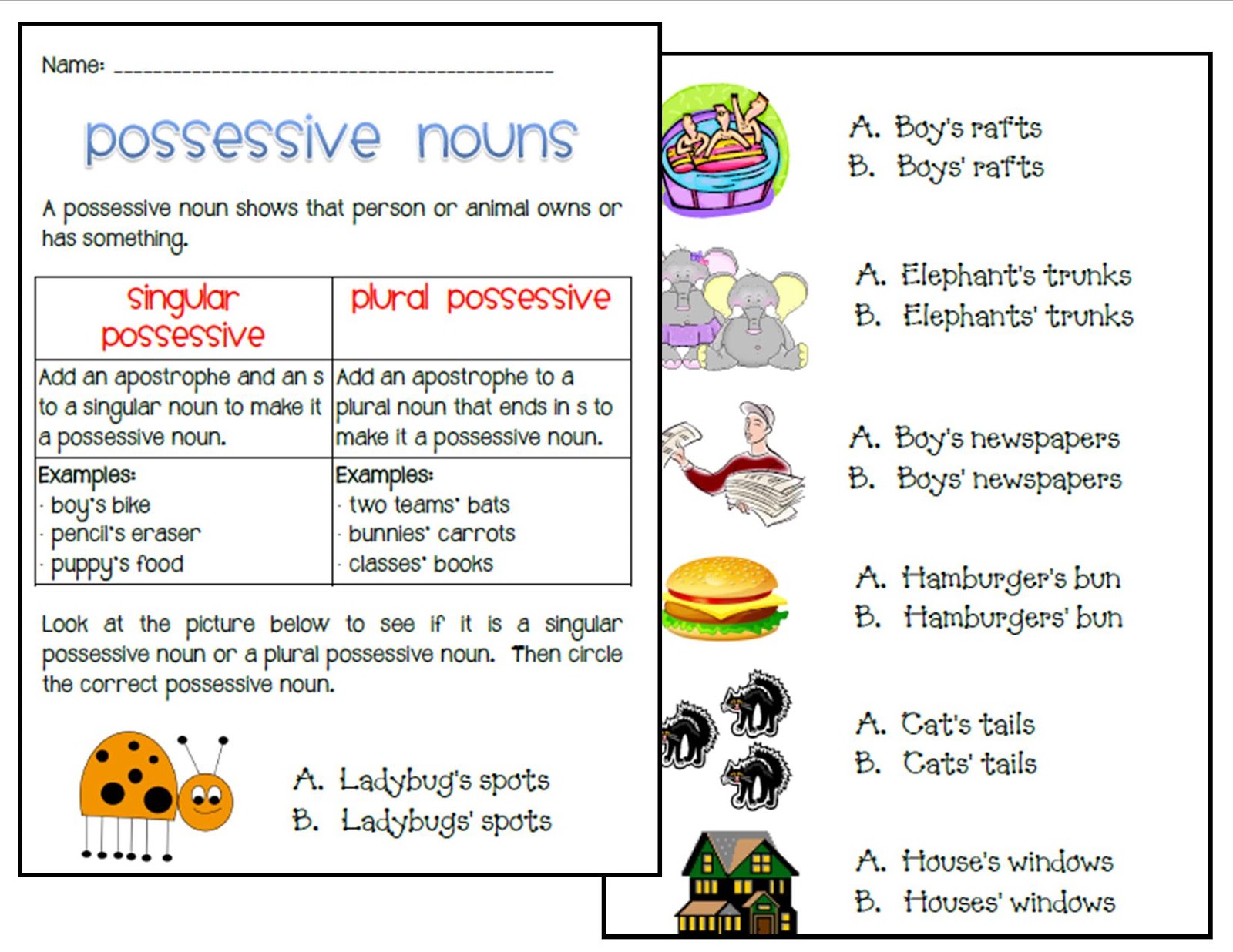
Possessive Form Of Singular Nouns
Possessive pronouns (e.g., “mine,” “yours,” “hers”) stand alone to replace nouns, while possessive adjectives (e.g., “my,” “your,” “their”). Learn about possessive nouns and how to use them with rules and examples. To show individual ownership, form the possessive on both words. Explore singular, plural, and irregular possessive nouns. We use possessive 's to say that something or someone belongs to.

Possessive Nouns Examples With Pictures
Explore singular, plural, and irregular possessive nouns. To show individual ownership, form the possessive on both words. Possessive pronouns (e.g., “mine,” “yours,” “hers”) stand alone to replace nouns, while possessive adjectives (e.g., “my,” “your,” “their”). Learn about possessive nouns, including their formation, rules, common mistakes, and differences from possessive pronouns, with. Learn about possessive nouns and how to use them.

List of Possessive noun in English Possessive nouns, Possessive nouns
Explore singular, plural, and irregular possessive nouns. Learn about possessive nouns, including their formation, rules, common mistakes, and differences from possessive pronouns, with. To show individual ownership, form the possessive on both words. Possessive pronouns (e.g., “mine,” “yours,” “hers”) stand alone to replace nouns, while possessive adjectives (e.g., “my,” “your,” “their”). Learn about possessive nouns and how to use them.
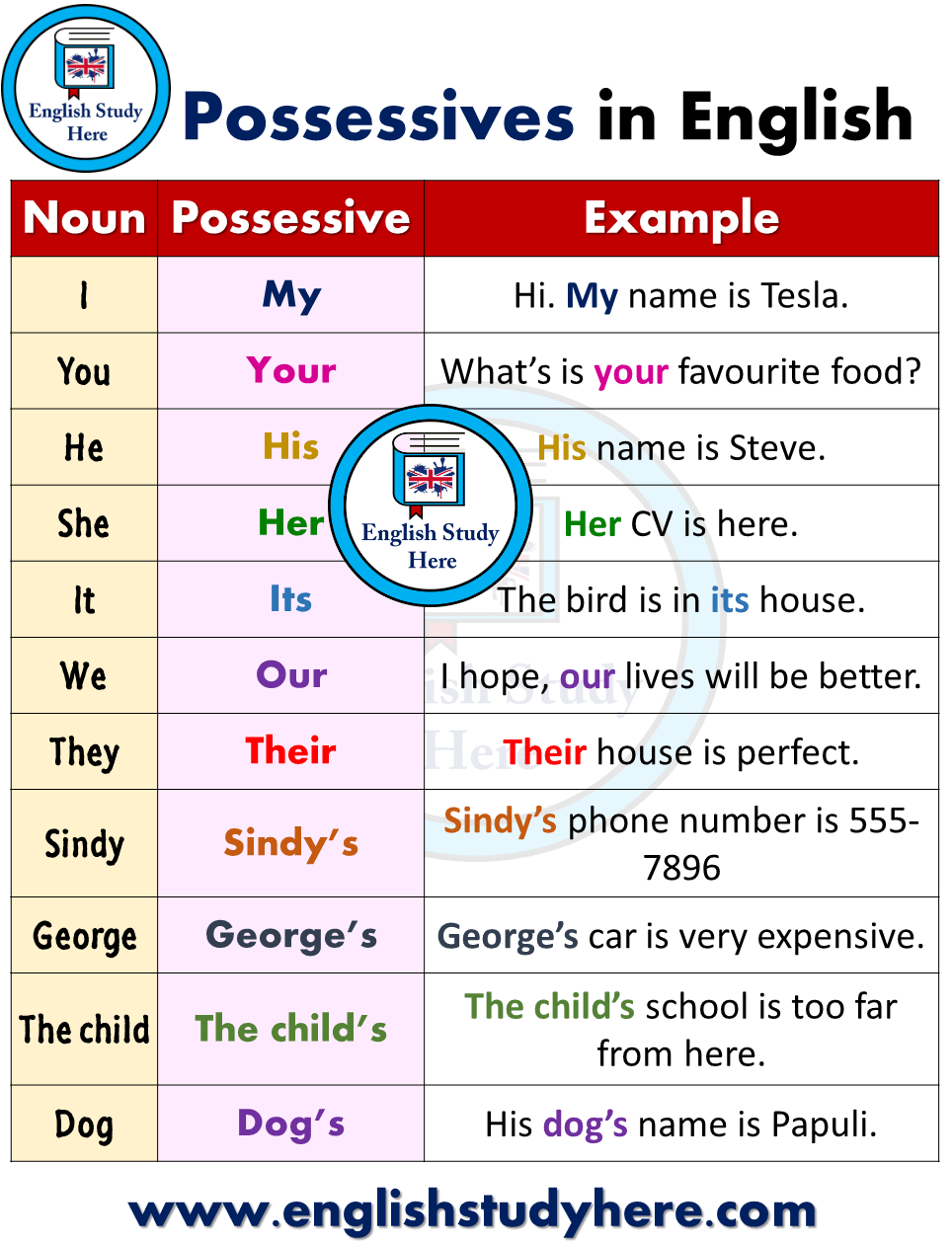
Possessive Nouns Examples With Pictures
To show individual ownership, form the possessive on both words. Learn about possessive nouns and how to use them with rules and examples. Possessive pronouns (e.g., “mine,” “yours,” “hers”) stand alone to replace nouns, while possessive adjectives (e.g., “my,” “your,” “their”). Learn about possessive nouns, including their formation, rules, common mistakes, and differences from possessive pronouns, with. To show joint.
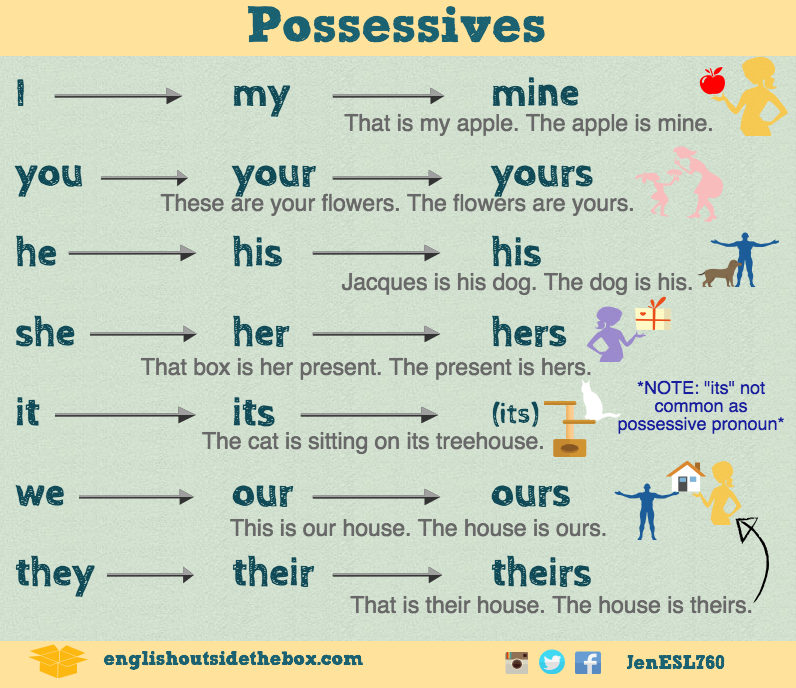
Understand English Possessives English Outside The Box
Learn about possessive nouns and how to use them with rules and examples. Explore singular, plural, and irregular possessive nouns. To show joint ownership, form the possessive on the last word; We use possessive 's to say that something or someone belongs to a person, is connected to a place, or to show the relationship between people. Learn about possessive.

Possessive Form
To show joint ownership, form the possessive on the last word; Learn about possessive nouns and how to use them with rules and examples. Learn about possessive nouns, including their formation, rules, common mistakes, and differences from possessive pronouns, with. To show individual ownership, form the possessive on both words. Possessive pronouns (e.g., “mine,” “yours,” “hers”) stand alone to replace.

Possessive Form
Learn about possessive nouns, including their formation, rules, common mistakes, and differences from possessive pronouns, with. We use possessive 's to say that something or someone belongs to a person, is connected to a place, or to show the relationship between people. Explore singular, plural, and irregular possessive nouns. To show joint ownership, form the possessive on the last word;.

Possessive Nouns Definition, Rules and Useful Examples ESL Grammar
To show individual ownership, form the possessive on both words. Possessive pronouns (e.g., “mine,” “yours,” “hers”) stand alone to replace nouns, while possessive adjectives (e.g., “my,” “your,” “their”). To show joint ownership, form the possessive on the last word; Learn about possessive nouns and how to use them with rules and examples. Learn about possessive nouns, including their formation, rules,.

Possessive Nouns EasyEnglishPath
Possessive pronouns (e.g., “mine,” “yours,” “hers”) stand alone to replace nouns, while possessive adjectives (e.g., “my,” “your,” “their”). We use possessive 's to say that something or someone belongs to a person, is connected to a place, or to show the relationship between people. Learn about possessive nouns and how to use them with rules and examples. To show joint.
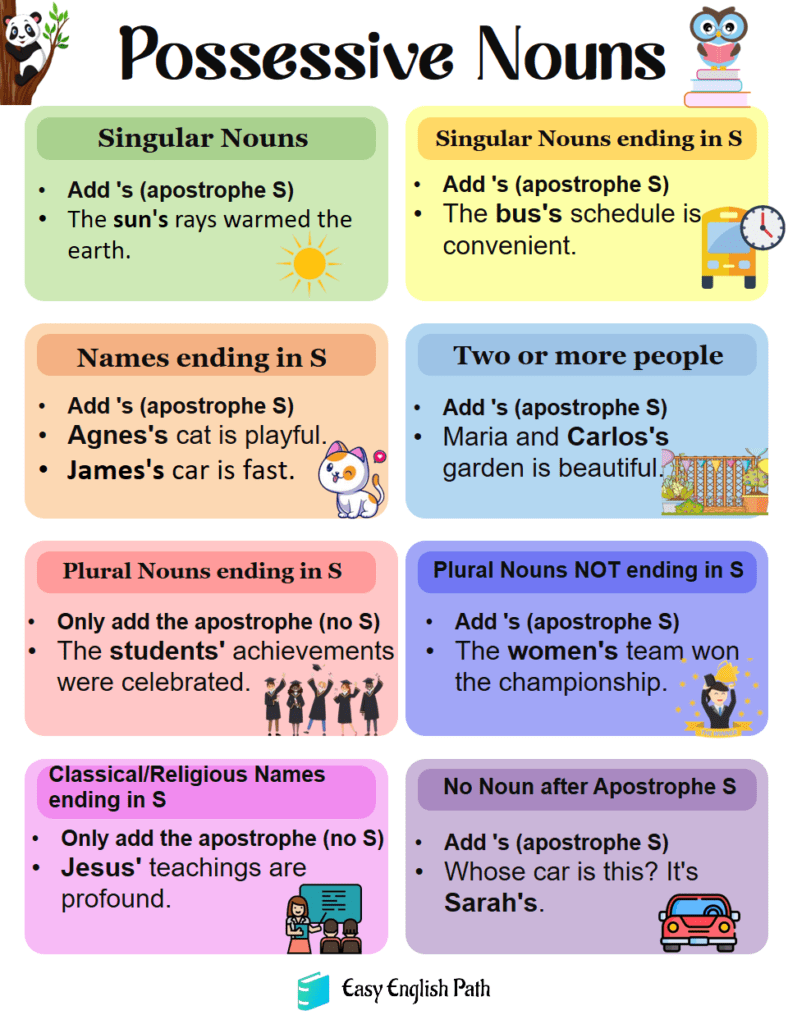
Possessive Nouns EasyEnglishPath
Learn about possessive nouns, including their formation, rules, common mistakes, and differences from possessive pronouns, with. We use possessive 's to say that something or someone belongs to a person, is connected to a place, or to show the relationship between people. To show individual ownership, form the possessive on both words. Learn about possessive nouns and how to use.
To Show Joint Ownership, Form The Possessive On The Last Word;
Explore singular, plural, and irregular possessive nouns. Possessive pronouns (e.g., “mine,” “yours,” “hers”) stand alone to replace nouns, while possessive adjectives (e.g., “my,” “your,” “their”). We use possessive 's to say that something or someone belongs to a person, is connected to a place, or to show the relationship between people. To show individual ownership, form the possessive on both words.
Learn About Possessive Nouns, Including Their Formation, Rules, Common Mistakes, And Differences From Possessive Pronouns, With.
Learn about possessive nouns and how to use them with rules and examples.