Many A New Day Sheet Music - Its counterpart used with uncountable nouns is. You use many to indicate that you are talking about a large number of people or things. We most commonly use it in questions and in negative sentences:. The meaning of many is consisting of or amounting to a large but indefinite number. Many is used only with the plural of countable nouns (except in the combination many a). We use many to refer to a large number of something countable. Find 347 different ways to say many, along with antonyms, related words, and example sentences at thesaurus.com. How to use many in a sentence. I don't think many people would argue with that.
I don't think many people would argue with that. Its counterpart used with uncountable nouns is. Find 347 different ways to say many, along with antonyms, related words, and example sentences at thesaurus.com. You use many to indicate that you are talking about a large number of people or things. We use many to refer to a large number of something countable. The meaning of many is consisting of or amounting to a large but indefinite number. We most commonly use it in questions and in negative sentences:. How to use many in a sentence. Many is used only with the plural of countable nouns (except in the combination many a).
Many is used only with the plural of countable nouns (except in the combination many a). You use many to indicate that you are talking about a large number of people or things. How to use many in a sentence. I don't think many people would argue with that. Find 347 different ways to say many, along with antonyms, related words, and example sentences at thesaurus.com. The meaning of many is consisting of or amounting to a large but indefinite number. We use many to refer to a large number of something countable. We most commonly use it in questions and in negative sentences:. Its counterpart used with uncountable nouns is.

Kodaline Brand New Day sheet music for piano solo
Find 347 different ways to say many, along with antonyms, related words, and example sentences at thesaurus.com. How to use many in a sentence. We most commonly use it in questions and in negative sentences:. Its counterpart used with uncountable nouns is. I don't think many people would argue with that.
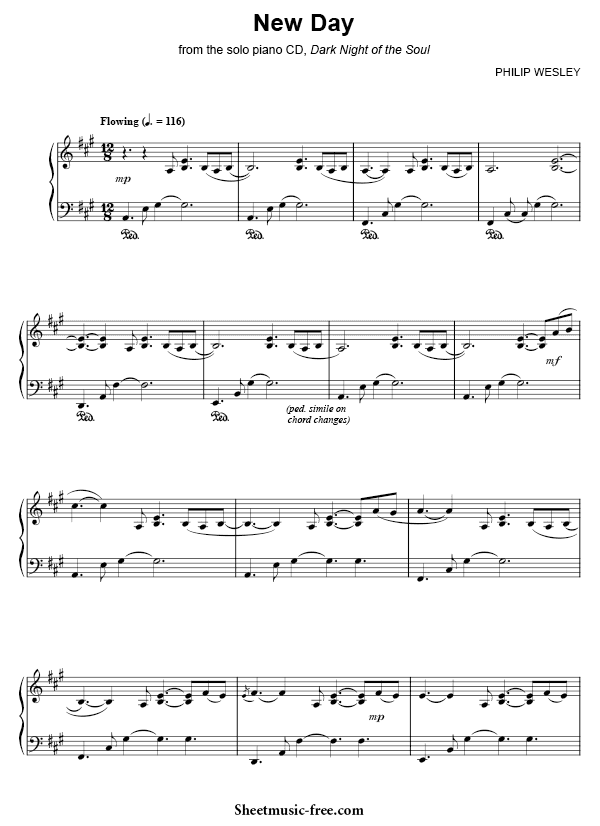
New Day Sheet Music Philip Wesley Sheet Music ♪
Its counterpart used with uncountable nouns is. Many is used only with the plural of countable nouns (except in the combination many a). The meaning of many is consisting of or amounting to a large but indefinite number. How to use many in a sentence. Find 347 different ways to say many, along with antonyms, related words, and example sentences.
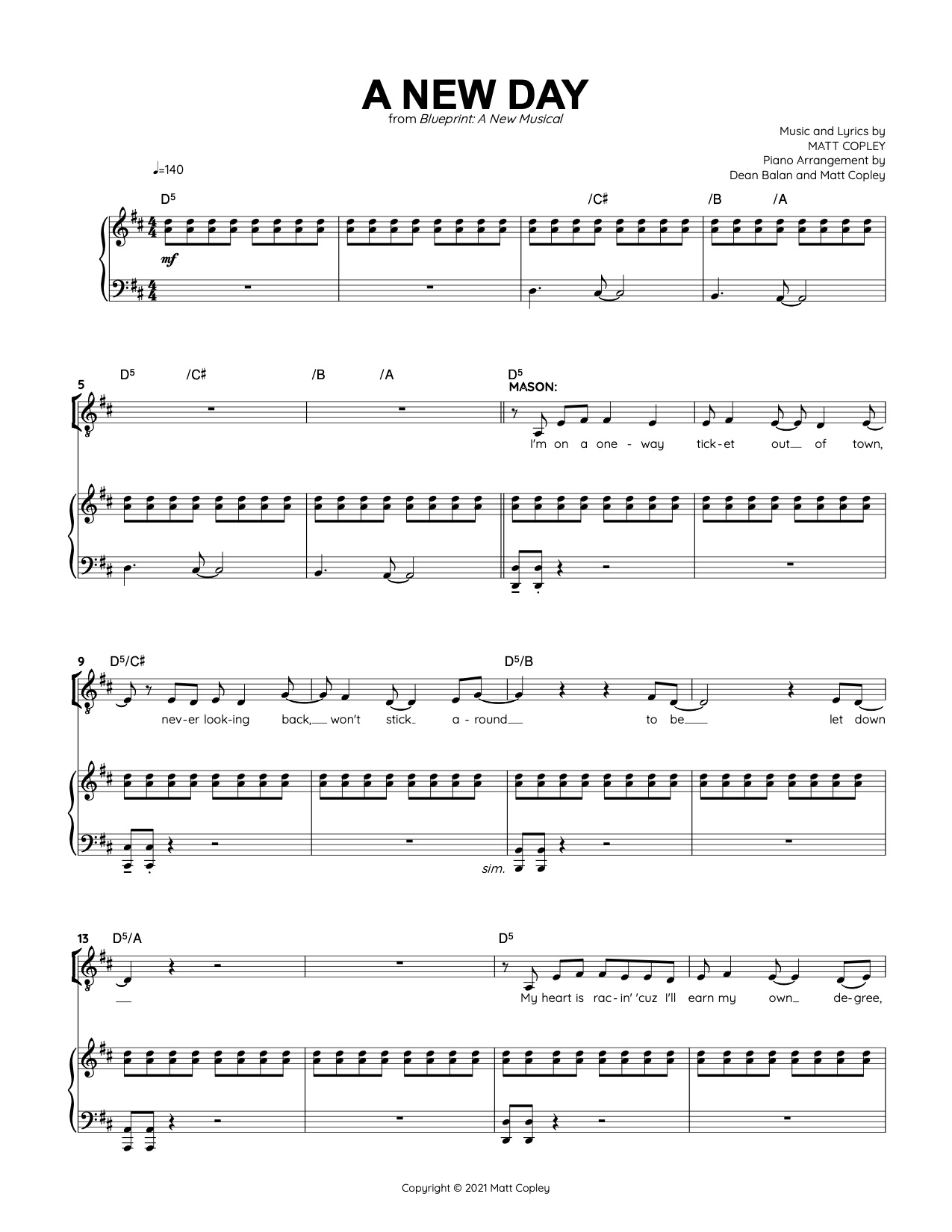
A New Day Sheet Music
You use many to indicate that you are talking about a large number of people or things. How to use many in a sentence. The meaning of many is consisting of or amounting to a large but indefinite number. Many is used only with the plural of countable nouns (except in the combination many a). We most commonly use it.
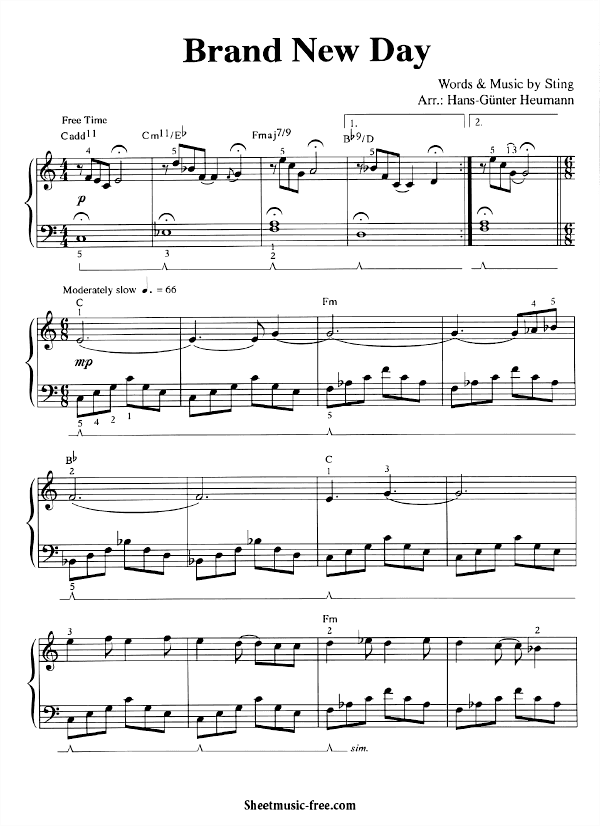
Brand New Day Sheet Music Sting ♪
I don't think many people would argue with that. Many is used only with the plural of countable nouns (except in the combination many a). The meaning of many is consisting of or amounting to a large but indefinite number. We most commonly use it in questions and in negative sentences:. Find 347 different ways to say many, along with.
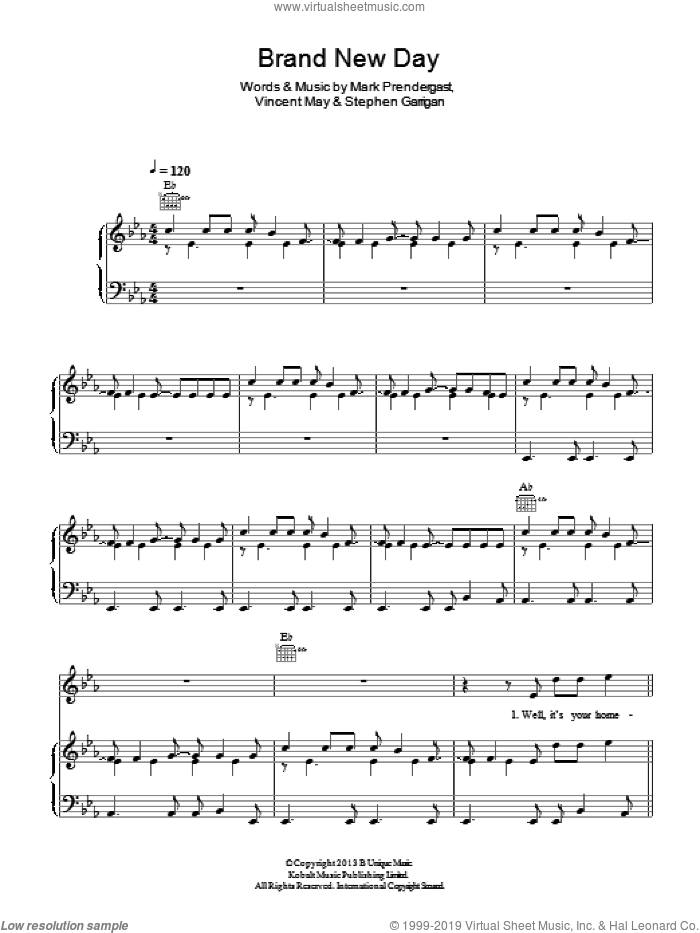
Brand New Day sheet music for voice, piano or guitar (PDF)
How to use many in a sentence. The meaning of many is consisting of or amounting to a large but indefinite number. We most commonly use it in questions and in negative sentences:. You use many to indicate that you are talking about a large number of people or things. Many is used only with the plural of countable nouns.
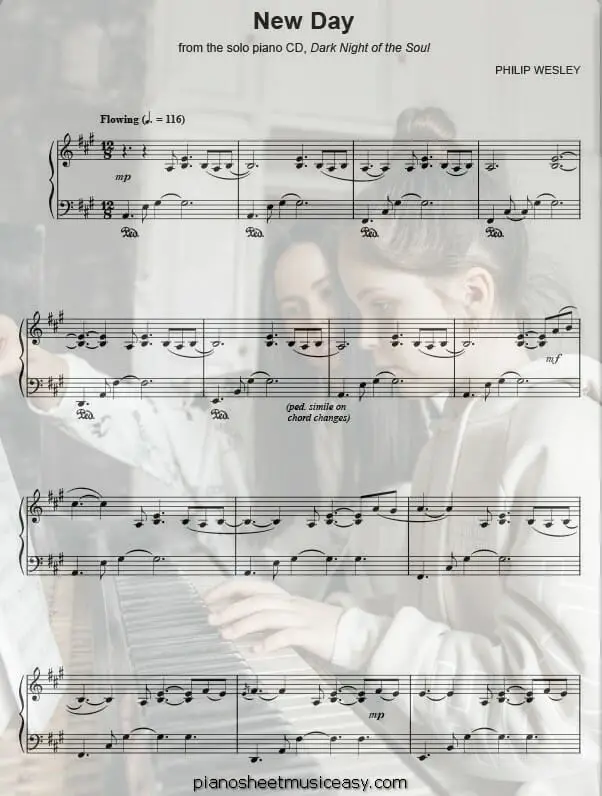
New day sheet music A Major Scale
You use many to indicate that you are talking about a large number of people or things. How to use many in a sentence. Find 347 different ways to say many, along with antonyms, related words, and example sentences at thesaurus.com. The meaning of many is consisting of or amounting to a large but indefinite number. I don't think many.
Many a New Day Song from Oklahoma! by Rodgers & Hammerstein
I don't think many people would argue with that. Find 347 different ways to say many, along with antonyms, related words, and example sentences at thesaurus.com. The meaning of many is consisting of or amounting to a large but indefinite number. Its counterpart used with uncountable nouns is. We use many to refer to a large number of something countable.

New Day Sheet Music PDF (Danny Gokey) PraiseCharts
We most commonly use it in questions and in negative sentences:. How to use many in a sentence. We use many to refer to a large number of something countable. I don't think many people would argue with that. Its counterpart used with uncountable nouns is.

New Day Sheet Music Direct
We use many to refer to a large number of something countable. The meaning of many is consisting of or amounting to a large but indefinite number. How to use many in a sentence. Many is used only with the plural of countable nouns (except in the combination many a). We most commonly use it in questions and in negative.

Brand New Day by Sting Sheet Music for Pro Vocal at Sheet Music Direct
You use many to indicate that you are talking about a large number of people or things. The meaning of many is consisting of or amounting to a large but indefinite number. I don't think many people would argue with that. Its counterpart used with uncountable nouns is. We most commonly use it in questions and in negative sentences:.
We Use Many To Refer To A Large Number Of Something Countable.
Its counterpart used with uncountable nouns is. Many is used only with the plural of countable nouns (except in the combination many a). You use many to indicate that you are talking about a large number of people or things. Find 347 different ways to say many, along with antonyms, related words, and example sentences at thesaurus.com.
How To Use Many In A Sentence.
The meaning of many is consisting of or amounting to a large but indefinite number. We most commonly use it in questions and in negative sentences:. I don't think many people would argue with that.