How To Volcanoes Form - Simply put, volcanoes form when the hot molten materials beneath the earth rise and escape into the crust. This section looks at the relationship between plate tectonics, earthquakes and volcanoes, which helps to explain how volcanoes form. Volcanic terrain, however, is built by the slow accumulation of. Many mountains form by folding, faulting, uplift, and erosion of the earth's crust. A volcano forms when pressure, temperature, and other natural forces push magma out of a magma chamber (a.
Many mountains form by folding, faulting, uplift, and erosion of the earth's crust. This section looks at the relationship between plate tectonics, earthquakes and volcanoes, which helps to explain how volcanoes form. Simply put, volcanoes form when the hot molten materials beneath the earth rise and escape into the crust. A volcano forms when pressure, temperature, and other natural forces push magma out of a magma chamber (a. Volcanic terrain, however, is built by the slow accumulation of.
A volcano forms when pressure, temperature, and other natural forces push magma out of a magma chamber (a. Simply put, volcanoes form when the hot molten materials beneath the earth rise and escape into the crust. This section looks at the relationship between plate tectonics, earthquakes and volcanoes, which helps to explain how volcanoes form. Many mountains form by folding, faulting, uplift, and erosion of the earth's crust. Volcanic terrain, however, is built by the slow accumulation of.
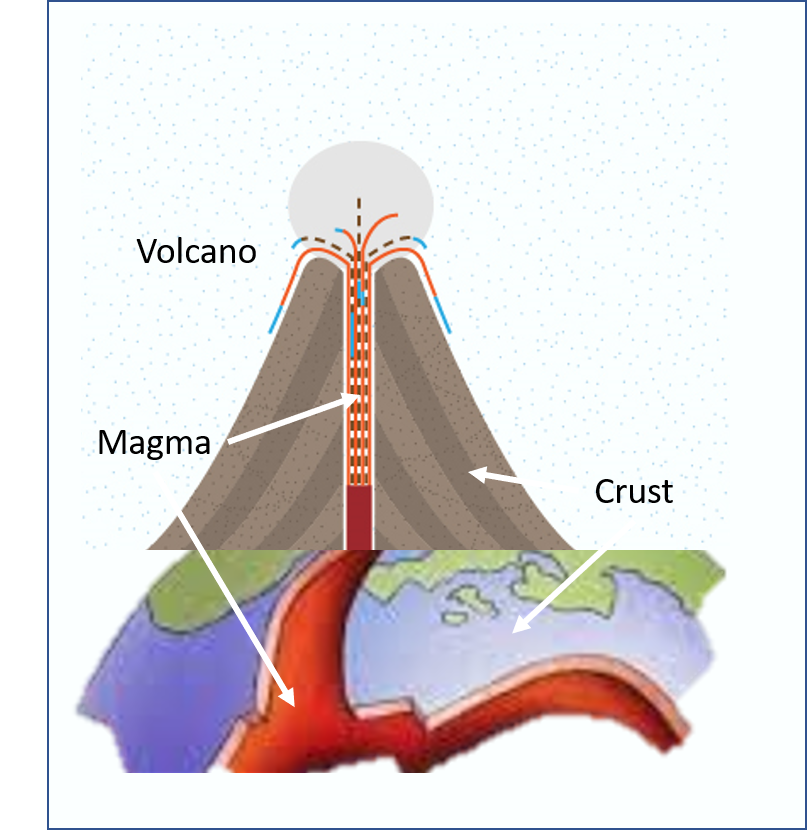
Ask a Scientist How do volcanoes erupt? What is a volcano? Science
This section looks at the relationship between plate tectonics, earthquakes and volcanoes, which helps to explain how volcanoes form. Many mountains form by folding, faulting, uplift, and erosion of the earth's crust. Volcanic terrain, however, is built by the slow accumulation of. A volcano forms when pressure, temperature, and other natural forces push magma out of a magma chamber (a..

How Do Volcanoes Form at Divergent Boundaries? (Guide)
Many mountains form by folding, faulting, uplift, and erosion of the earth's crust. This section looks at the relationship between plate tectonics, earthquakes and volcanoes, which helps to explain how volcanoes form. A volcano forms when pressure, temperature, and other natural forces push magma out of a magma chamber (a. Volcanic terrain, however, is built by the slow accumulation of..

Learning About How Volcanoes Form Volcano, Earth science, Infographic
A volcano forms when pressure, temperature, and other natural forces push magma out of a magma chamber (a. This section looks at the relationship between plate tectonics, earthquakes and volcanoes, which helps to explain how volcanoes form. Volcanic terrain, however, is built by the slow accumulation of. Many mountains form by folding, faulting, uplift, and erosion of the earth's crust..
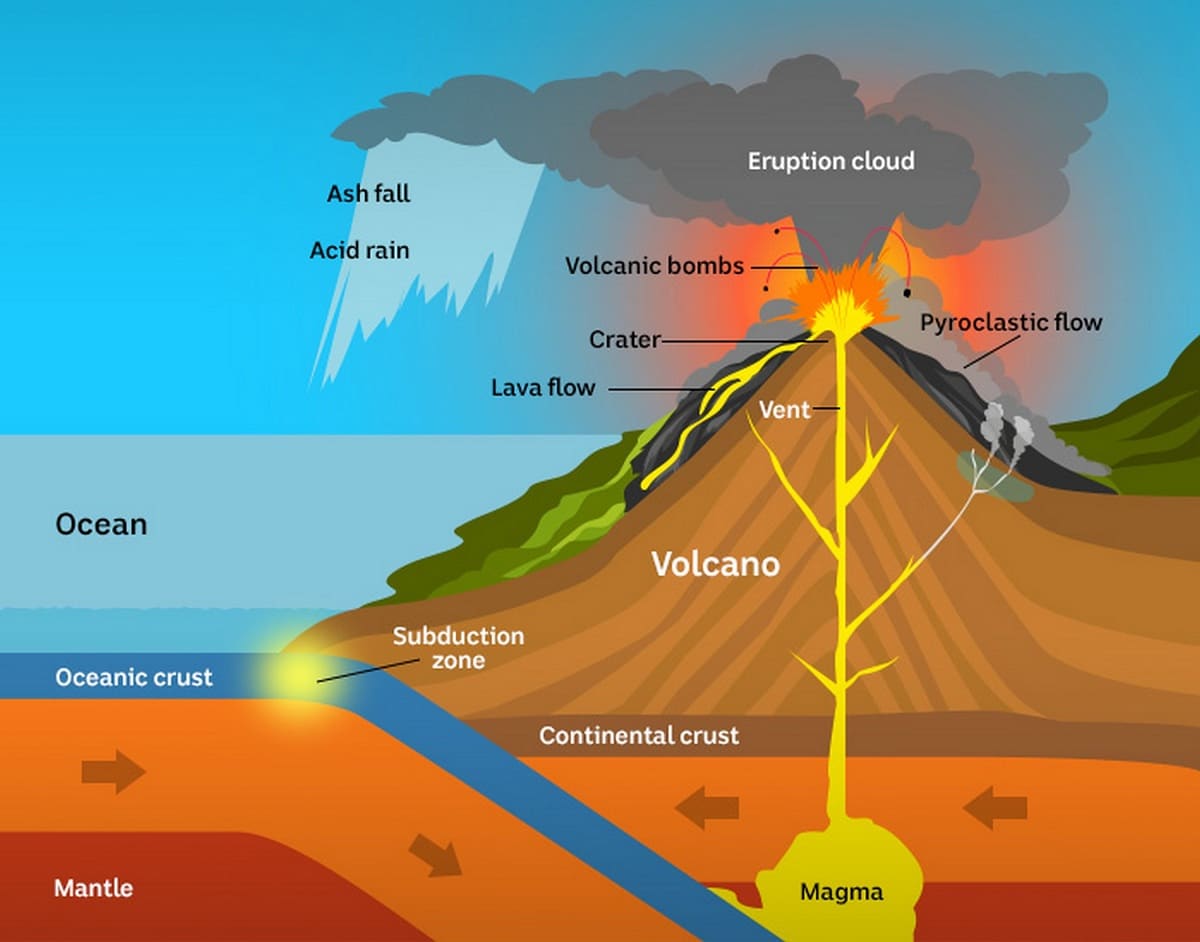
How volcanoes form
This section looks at the relationship between plate tectonics, earthquakes and volcanoes, which helps to explain how volcanoes form. Simply put, volcanoes form when the hot molten materials beneath the earth rise and escape into the crust. Many mountains form by folding, faulting, uplift, and erosion of the earth's crust. Volcanic terrain, however, is built by the slow accumulation of..
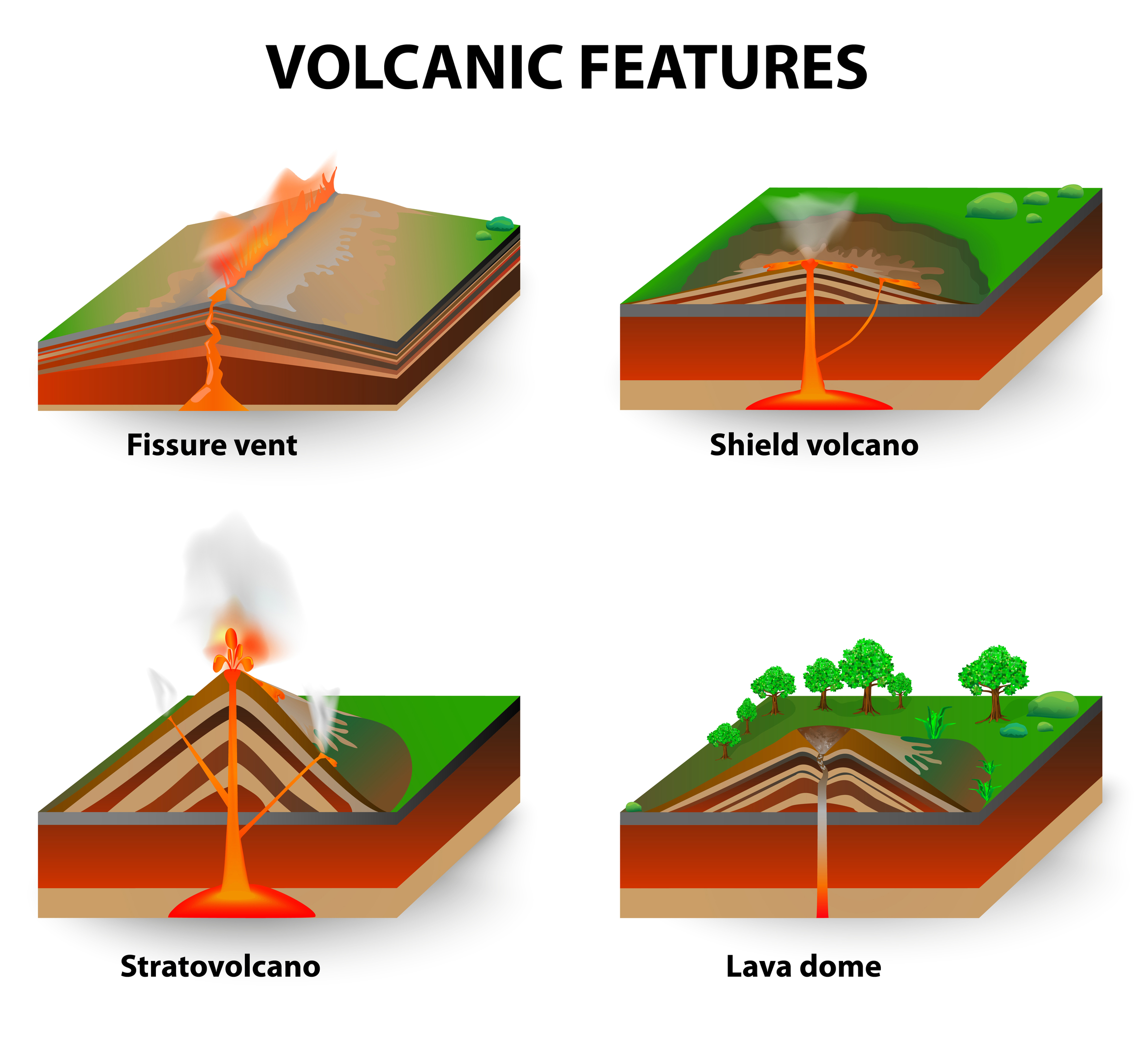
What Do Volcanoes Do To Land at Clara Strauss blog
This section looks at the relationship between plate tectonics, earthquakes and volcanoes, which helps to explain how volcanoes form. Volcanic terrain, however, is built by the slow accumulation of. Many mountains form by folding, faulting, uplift, and erosion of the earth's crust. Simply put, volcanoes form when the hot molten materials beneath the earth rise and escape into the crust..

Formation and Activity of Volcanoes Diagram
Volcanic terrain, however, is built by the slow accumulation of. Simply put, volcanoes form when the hot molten materials beneath the earth rise and escape into the crust. A volcano forms when pressure, temperature, and other natural forces push magma out of a magma chamber (a. This section looks at the relationship between plate tectonics, earthquakes and volcanoes, which helps.
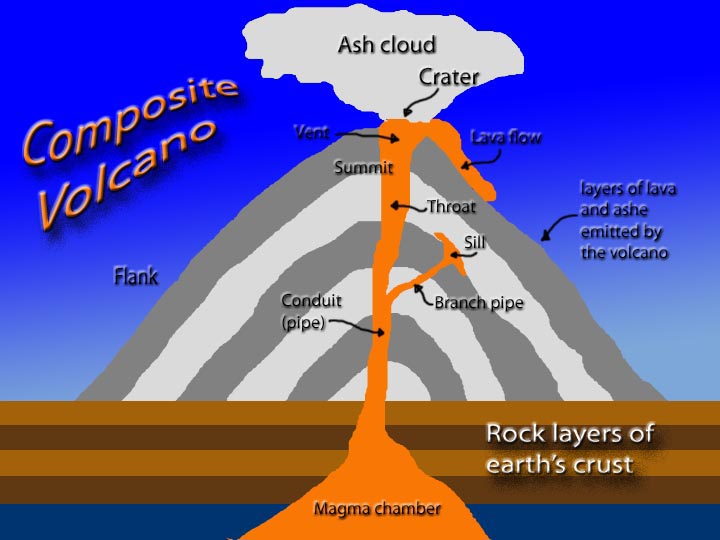
Why Do Volcanoes Form
This section looks at the relationship between plate tectonics, earthquakes and volcanoes, which helps to explain how volcanoes form. Volcanic terrain, however, is built by the slow accumulation of. Simply put, volcanoes form when the hot molten materials beneath the earth rise and escape into the crust. Many mountains form by folding, faulting, uplift, and erosion of the earth's crust..

Introduction to volcanoes!
Simply put, volcanoes form when the hot molten materials beneath the earth rise and escape into the crust. Volcanic terrain, however, is built by the slow accumulation of. This section looks at the relationship between plate tectonics, earthquakes and volcanoes, which helps to explain how volcanoes form. A volcano forms when pressure, temperature, and other natural forces push magma out.

What Causes a Volcano to Erupt? Types of Volcanic Eruptions
A volcano forms when pressure, temperature, and other natural forces push magma out of a magma chamber (a. This section looks at the relationship between plate tectonics, earthquakes and volcanoes, which helps to explain how volcanoes form. Simply put, volcanoes form when the hot molten materials beneath the earth rise and escape into the crust. Many mountains form by folding,.
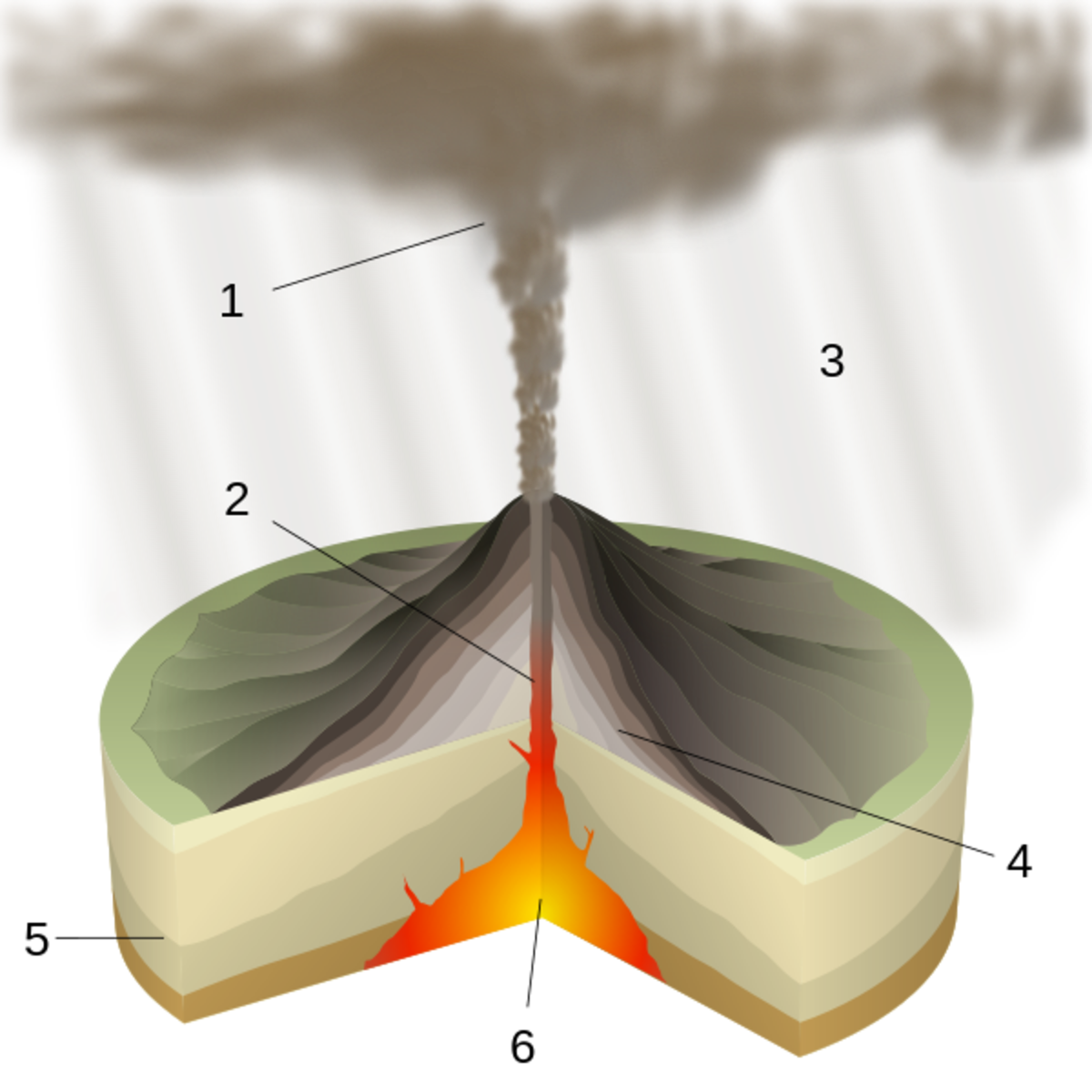
How Does a Volcano Form? Owlcation
A volcano forms when pressure, temperature, and other natural forces push magma out of a magma chamber (a. Simply put, volcanoes form when the hot molten materials beneath the earth rise and escape into the crust. Many mountains form by folding, faulting, uplift, and erosion of the earth's crust. Volcanic terrain, however, is built by the slow accumulation of. This.
Many Mountains Form By Folding, Faulting, Uplift, And Erosion Of The Earth's Crust.
This section looks at the relationship between plate tectonics, earthquakes and volcanoes, which helps to explain how volcanoes form. Volcanic terrain, however, is built by the slow accumulation of. Simply put, volcanoes form when the hot molten materials beneath the earth rise and escape into the crust. A volcano forms when pressure, temperature, and other natural forces push magma out of a magma chamber (a.