How Does Snow Form - If the ground temperature is at or below freezing, the snow will. If enough crystals stick together, they'll become heavy enough to. It consists of frozen crystalline water throughout its life cycle, starting when, under suitable conditions, the ice crystals form in the atmosphere, increase. Snow is formed when ice crystals collide and form even bigger ice crystals called snowflakes. Snow forms when the atmospheric temperature is at or below freezing (0°c or 32°f). Snow is more than a winter spectacle; Snow forms when tiny ice crystals in clouds stick together to become snowflakes. It’s a fascinating natural phenomenon with important roles in the environment.
If enough crystals stick together, they'll become heavy enough to. It consists of frozen crystalline water throughout its life cycle, starting when, under suitable conditions, the ice crystals form in the atmosphere, increase. Snow forms when tiny ice crystals in clouds stick together to become snowflakes. If the ground temperature is at or below freezing, the snow will. Snow is formed when ice crystals collide and form even bigger ice crystals called snowflakes. It’s a fascinating natural phenomenon with important roles in the environment. Snow forms when the atmospheric temperature is at or below freezing (0°c or 32°f). Snow is more than a winter spectacle;
If enough crystals stick together, they'll become heavy enough to. Snow is more than a winter spectacle; Snow forms when the atmospheric temperature is at or below freezing (0°c or 32°f). Snow is formed when ice crystals collide and form even bigger ice crystals called snowflakes. It’s a fascinating natural phenomenon with important roles in the environment. If the ground temperature is at or below freezing, the snow will. Snow forms when tiny ice crystals in clouds stick together to become snowflakes. It consists of frozen crystalline water throughout its life cycle, starting when, under suitable conditions, the ice crystals form in the atmosphere, increase.
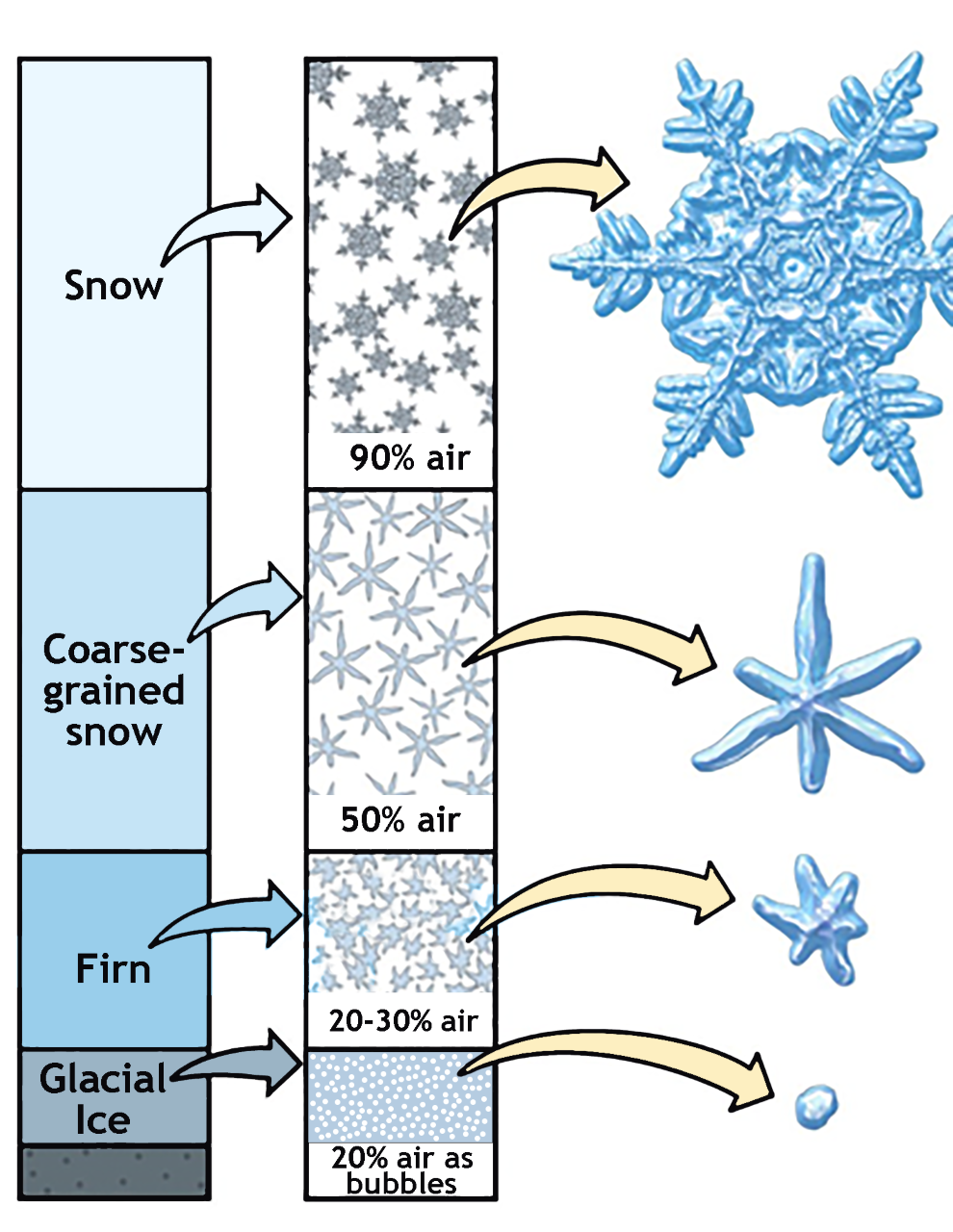
Glaciers National Snow and Ice Data Center
Snow is formed when ice crystals collide and form even bigger ice crystals called snowflakes. It consists of frozen crystalline water throughout its life cycle, starting when, under suitable conditions, the ice crystals form in the atmosphere, increase. If enough crystals stick together, they'll become heavy enough to. Snow forms when tiny ice crystals in clouds stick together to become.
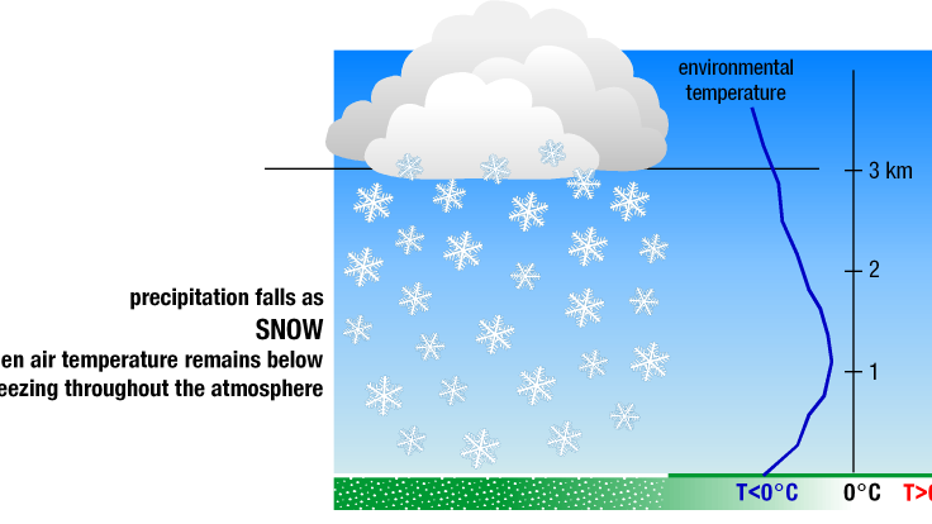
Michigan snow How does snow form and where did it come from? FOX 2
Snow forms when the atmospheric temperature is at or below freezing (0°c or 32°f). It consists of frozen crystalline water throughout its life cycle, starting when, under suitable conditions, the ice crystals form in the atmosphere, increase. It’s a fascinating natural phenomenon with important roles in the environment. If the ground temperature is at or below freezing, the snow will..
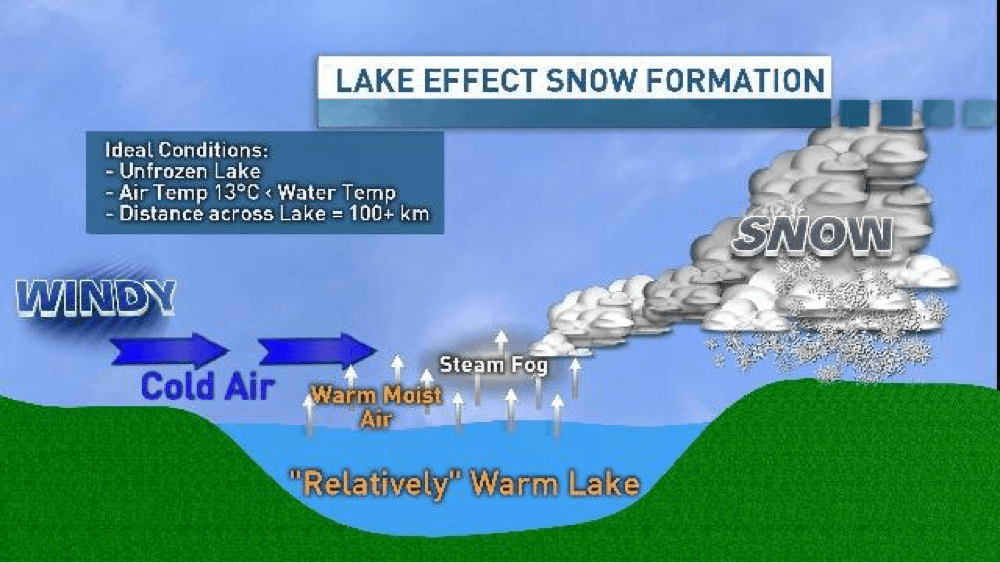
LakeEffect Snow The Physics of Colossal Snow
Snow forms when the atmospheric temperature is at or below freezing (0°c or 32°f). Snow is formed when ice crystals collide and form even bigger ice crystals called snowflakes. It consists of frozen crystalline water throughout its life cycle, starting when, under suitable conditions, the ice crystals form in the atmosphere, increase. It’s a fascinating natural phenomenon with important roles.

Lake Effect Snow, Explained OpenSnow
It consists of frozen crystalline water throughout its life cycle, starting when, under suitable conditions, the ice crystals form in the atmosphere, increase. Snow forms when tiny ice crystals in clouds stick together to become snowflakes. Snow forms when the atmospheric temperature is at or below freezing (0°c or 32°f). If enough crystals stick together, they'll become heavy enough to..
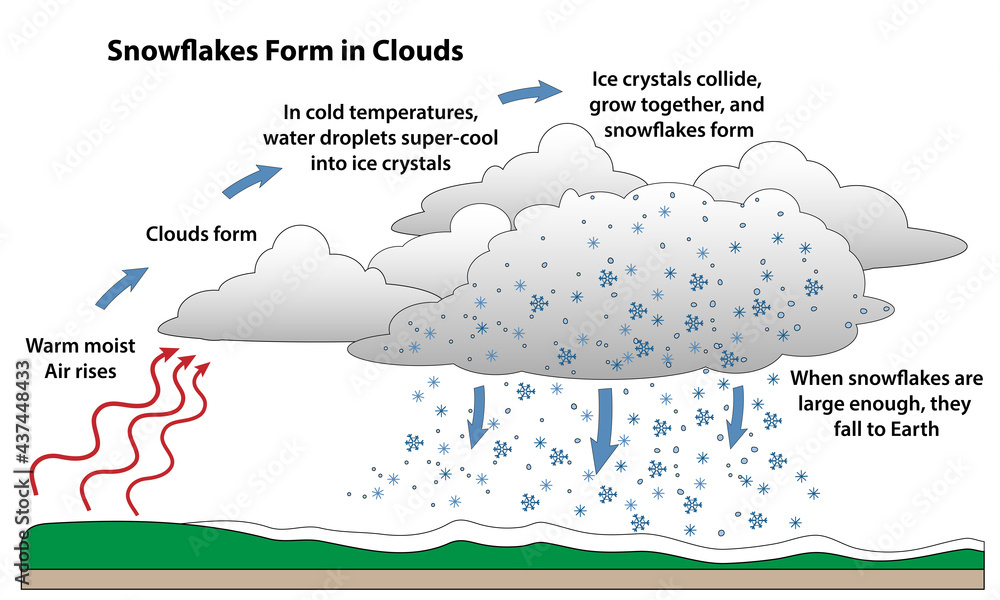
Snowflake formation in a science diagram. How snow forms into flakes as
If the ground temperature is at or below freezing, the snow will. Snow forms when tiny ice crystals in clouds stick together to become snowflakes. It’s a fascinating natural phenomenon with important roles in the environment. If enough crystals stick together, they'll become heavy enough to. Snow is more than a winter spectacle;
![How is snow formed? [infographic] OUPblog How is snow formed](https://i.pinimg.com/736x/0d/29/a6/0d29a67368f21bfdd7c9dc3c1ccca16e--in-the-clouds-let-it-snow.jpg)
How is snow formed? [infographic] OUPblog How is snow formed
It’s a fascinating natural phenomenon with important roles in the environment. If the ground temperature is at or below freezing, the snow will. Snow is formed when ice crystals collide and form even bigger ice crystals called snowflakes. If enough crystals stick together, they'll become heavy enough to. Snow forms when the atmospheric temperature is at or below freezing (0°c.
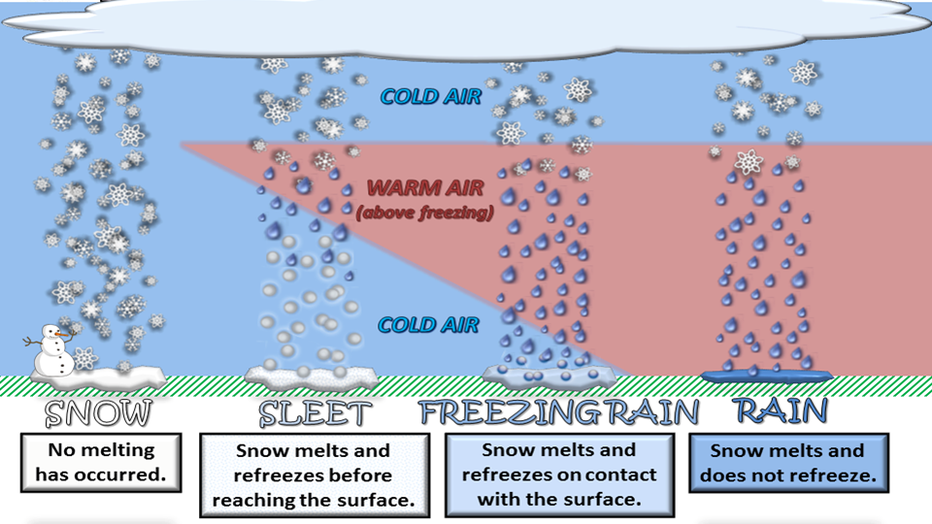
Michigan snow How does snow form and where did it come from? FOX 2
Snow is formed when ice crystals collide and form even bigger ice crystals called snowflakes. If the ground temperature is at or below freezing, the snow will. Snow forms when the atmospheric temperature is at or below freezing (0°c or 32°f). Snow is more than a winter spectacle; It consists of frozen crystalline water throughout its life cycle, starting when,.
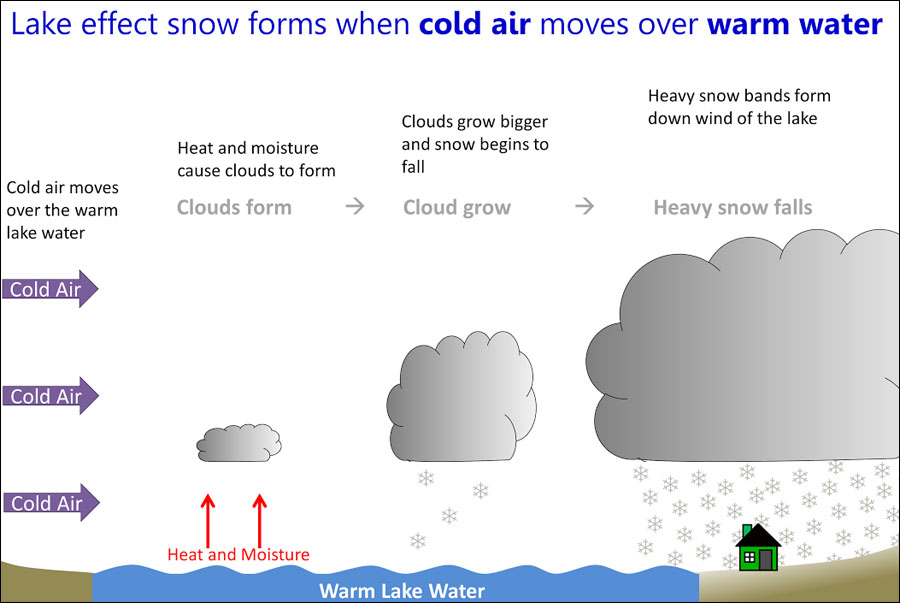
What is a Lake Effect Snow?
Snow is formed when ice crystals collide and form even bigger ice crystals called snowflakes. It consists of frozen crystalline water throughout its life cycle, starting when, under suitable conditions, the ice crystals form in the atmosphere, increase. If enough crystals stick together, they'll become heavy enough to. If the ground temperature is at or below freezing, the snow will..
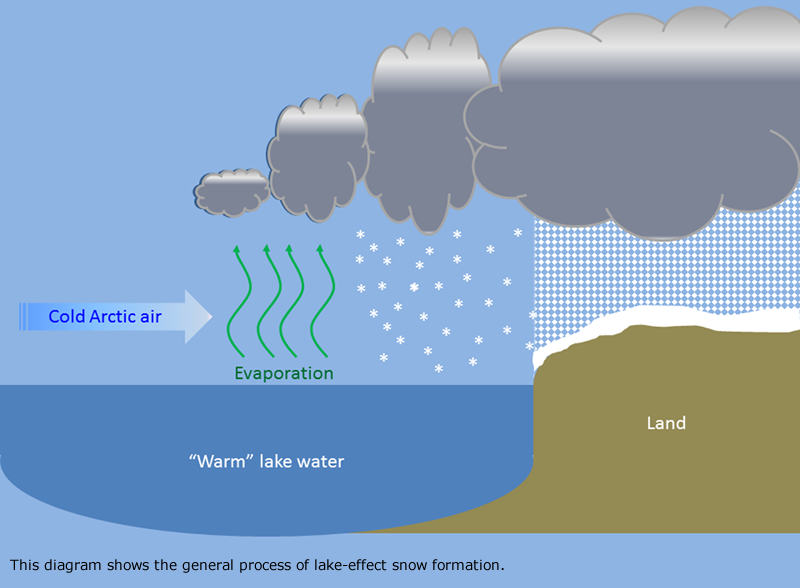
MRCC Living With Weather Winter Storms
Snow forms when the atmospheric temperature is at or below freezing (0°c or 32°f). If the ground temperature is at or below freezing, the snow will. Snow is more than a winter spectacle; It’s a fascinating natural phenomenon with important roles in the environment. If enough crystals stick together, they'll become heavy enough to.
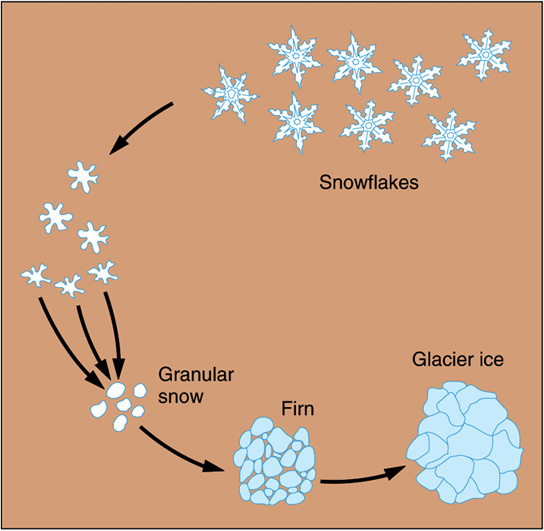
Glacial Formation Diagram
Snow forms when tiny ice crystals in clouds stick together to become snowflakes. If enough crystals stick together, they'll become heavy enough to. If the ground temperature is at or below freezing, the snow will. Snow is more than a winter spectacle; Snow forms when the atmospheric temperature is at or below freezing (0°c or 32°f).
It Consists Of Frozen Crystalline Water Throughout Its Life Cycle, Starting When, Under Suitable Conditions, The Ice Crystals Form In The Atmosphere, Increase.
If enough crystals stick together, they'll become heavy enough to. If the ground temperature is at or below freezing, the snow will. Snow forms when tiny ice crystals in clouds stick together to become snowflakes. It’s a fascinating natural phenomenon with important roles in the environment.
Snow Is Formed When Ice Crystals Collide And Form Even Bigger Ice Crystals Called Snowflakes.
Snow is more than a winter spectacle; Snow forms when the atmospheric temperature is at or below freezing (0°c or 32°f).