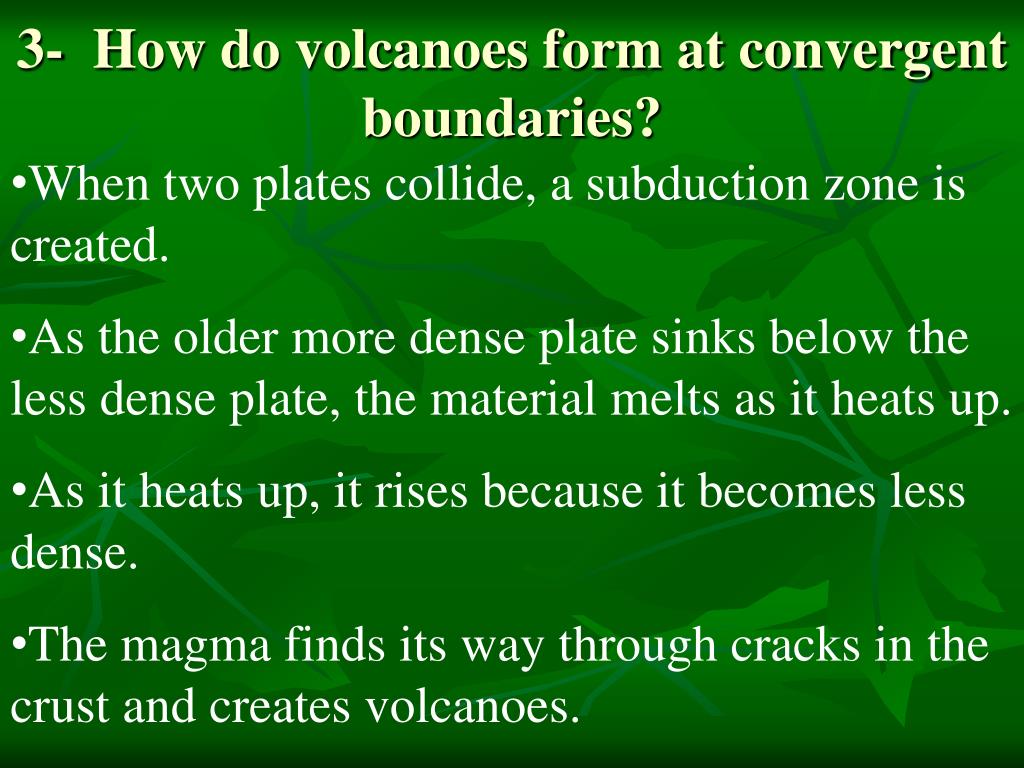
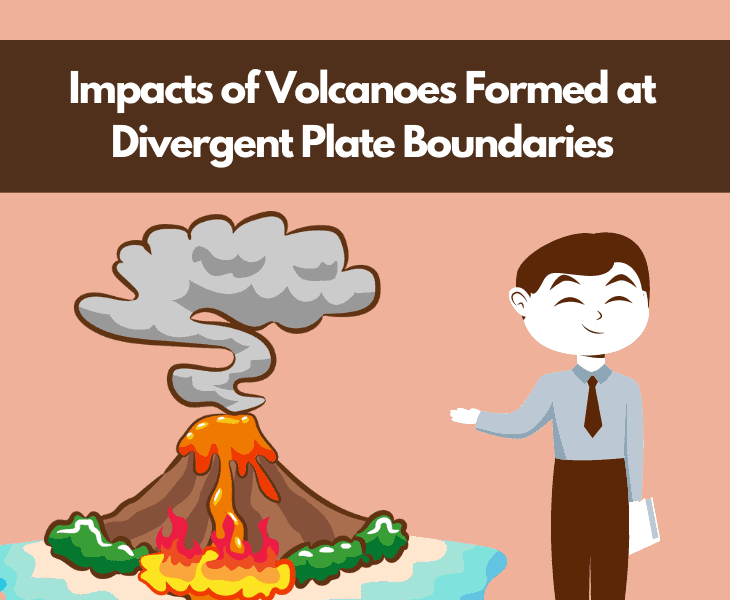
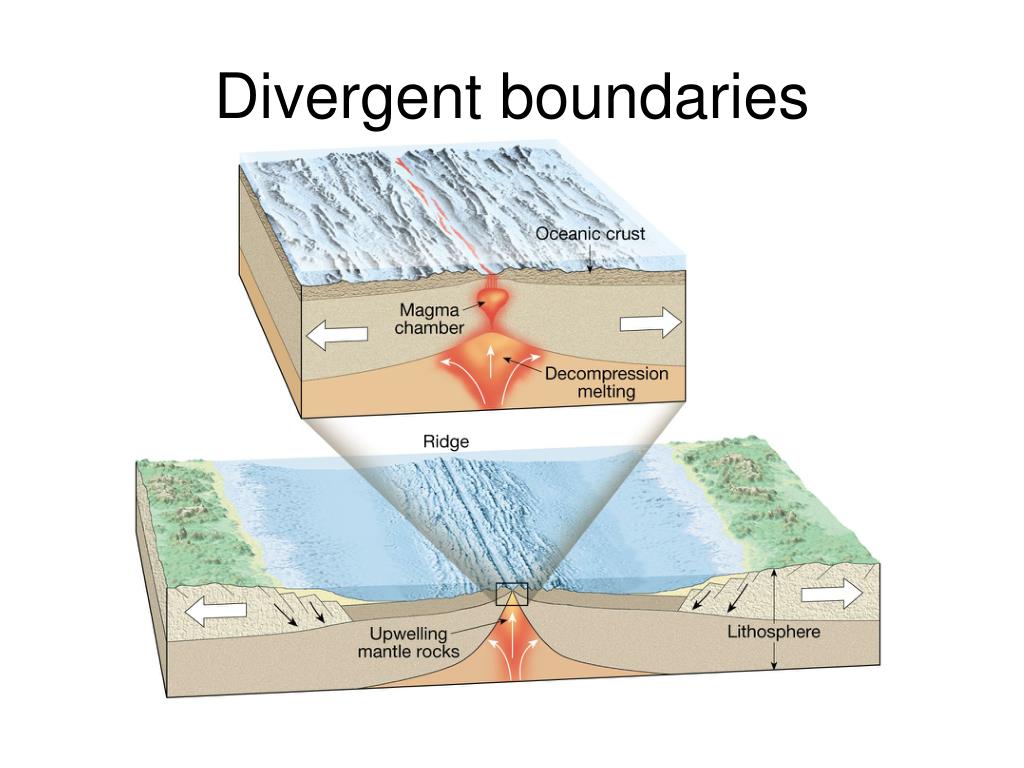
Do Volcanoes Form At Divergent Boundaries - Underwater volcanoes and mountains can form at both convergent and divergent boundaries. Volcanoes are not found at transform boundaries because these boundaries involve the sliding of tectonic plates past each other. At divergent boundaries, tectonic plates move apart,. Yes, divergent plate boundaries can produce volcanoes. Instead, they generally occur at tectonic plate boundaries that. As tectonic plates move apart, magma from the mantle rises to fill the gap, creating. Yes, faulted bedrock and volcanoes are commonly found at crustal plate boundaries. No, hot spot volcanoes do not typically form at divergent boundaries. Vesuvius is associated with a.
Instead, they generally occur at tectonic plate boundaries that. Underwater volcanoes and mountains can form at both convergent and divergent boundaries. Yes, faulted bedrock and volcanoes are commonly found at crustal plate boundaries. No, hot spot volcanoes do not typically form at divergent boundaries. As tectonic plates move apart, magma from the mantle rises to fill the gap, creating. Vesuvius is associated with a. Yes, divergent plate boundaries can produce volcanoes. Volcanoes are not found at transform boundaries because these boundaries involve the sliding of tectonic plates past each other. At divergent boundaries, tectonic plates move apart,.
No, hot spot volcanoes do not typically form at divergent boundaries. Underwater volcanoes and mountains can form at both convergent and divergent boundaries. Volcanoes are not found at transform boundaries because these boundaries involve the sliding of tectonic plates past each other. Instead, they generally occur at tectonic plate boundaries that. Vesuvius is associated with a. Yes, faulted bedrock and volcanoes are commonly found at crustal plate boundaries. Yes, divergent plate boundaries can produce volcanoes. At divergent boundaries, tectonic plates move apart,. As tectonic plates move apart, magma from the mantle rises to fill the gap, creating.

VOLCANOES AND PLATE TECTONICS ppt download
Underwater volcanoes and mountains can form at both convergent and divergent boundaries. Vesuvius is associated with a. No, hot spot volcanoes do not typically form at divergent boundaries. Yes, faulted bedrock and volcanoes are commonly found at crustal plate boundaries. At divergent boundaries, tectonic plates move apart,.
PPT Volcanoes and Plate Tectonics PowerPoint Presentation, free
Yes, faulted bedrock and volcanoes are commonly found at crustal plate boundaries. Underwater volcanoes and mountains can form at both convergent and divergent boundaries. Vesuvius is associated with a. Instead, they generally occur at tectonic plate boundaries that. As tectonic plates move apart, magma from the mantle rises to fill the gap, creating.

VOLCANOES AND PLATE TECTONICS ppt download
Underwater volcanoes and mountains can form at both convergent and divergent boundaries. Yes, divergent plate boundaries can produce volcanoes. Yes, faulted bedrock and volcanoes are commonly found at crustal plate boundaries. Volcanoes are not found at transform boundaries because these boundaries involve the sliding of tectonic plates past each other. Vesuvius is associated with a.
How Do Volcanoes Form at Divergent Boundaries? (Guide)
Vesuvius is associated with a. Underwater volcanoes and mountains can form at both convergent and divergent boundaries. Volcanoes are not found at transform boundaries because these boundaries involve the sliding of tectonic plates past each other. As tectonic plates move apart, magma from the mantle rises to fill the gap, creating. Yes, divergent plate boundaries can produce volcanoes.

The Structure of the Earth and Tectonic Plates ppt download
No, hot spot volcanoes do not typically form at divergent boundaries. Volcanoes are not found at transform boundaries because these boundaries involve the sliding of tectonic plates past each other. Underwater volcanoes and mountains can form at both convergent and divergent boundaries. Instead, they generally occur at tectonic plate boundaries that. As tectonic plates move apart, magma from the mantle.
PPT Volcanoes PowerPoint Presentation, free download ID274356
No, hot spot volcanoes do not typically form at divergent boundaries. As tectonic plates move apart, magma from the mantle rises to fill the gap, creating. At divergent boundaries, tectonic plates move apart,. Volcanoes are not found at transform boundaries because these boundaries involve the sliding of tectonic plates past each other. Vesuvius is associated with a.

Diagram of Plate Tectonics with Volcanoes Hotspot
Vesuvius is associated with a. As tectonic plates move apart, magma from the mantle rises to fill the gap, creating. At divergent boundaries, tectonic plates move apart,. Instead, they generally occur at tectonic plate boundaries that. Underwater volcanoes and mountains can form at both convergent and divergent boundaries.

How Do Volcanoes Form at Divergent Boundaries? (Guide)
Yes, faulted bedrock and volcanoes are commonly found at crustal plate boundaries. At divergent boundaries, tectonic plates move apart,. Vesuvius is associated with a. As tectonic plates move apart, magma from the mantle rises to fill the gap, creating. Instead, they generally occur at tectonic plate boundaries that.

PPT Volcanoes and Plate Tectonics PowerPoint Presentation, free
Yes, faulted bedrock and volcanoes are commonly found at crustal plate boundaries. Yes, divergent plate boundaries can produce volcanoes. Underwater volcanoes and mountains can form at both convergent and divergent boundaries. Instead, they generally occur at tectonic plate boundaries that. At divergent boundaries, tectonic plates move apart,.
How Do Volcanoes Form at Divergent Boundaries? (Guide)
At divergent boundaries, tectonic plates move apart,. Underwater volcanoes and mountains can form at both convergent and divergent boundaries. No, hot spot volcanoes do not typically form at divergent boundaries. Yes, divergent plate boundaries can produce volcanoes. Yes, faulted bedrock and volcanoes are commonly found at crustal plate boundaries.
Underwater Volcanoes And Mountains Can Form At Both Convergent And Divergent Boundaries.
Vesuvius is associated with a. Instead, they generally occur at tectonic plate boundaries that. Volcanoes are not found at transform boundaries because these boundaries involve the sliding of tectonic plates past each other. Yes, divergent plate boundaries can produce volcanoes.
Yes, Faulted Bedrock And Volcanoes Are Commonly Found At Crustal Plate Boundaries.
At divergent boundaries, tectonic plates move apart,. No, hot spot volcanoes do not typically form at divergent boundaries. As tectonic plates move apart, magma from the mantle rises to fill the gap, creating.