Define Perpetual Calendar - 0 in c or c++ #define allows you to create preprocessor macros. Think of it as an. What is the point of #define in c++? Furthermore, a #define 'd constant may be used in the preprocessor: The preprocessor replaces those macros by their body before the compiler even sees it. I've only seen examples where it's used in place of a magic number but i don't see the point in just. The #define directive is a preprocessor directive; You can use it with. #ifdef use_const #define myconst const #else #define myconst #endif then you can write code like this:. In the normal c or c++ build process the first thing that happens is that.
Furthermore, a #define 'd constant may be used in the preprocessor: Just do something like this: In the normal c or c++ build process the first thing that happens is that. #ifdef use_const #define myconst const #else #define myconst #endif then you can write code like this:. Think of it as an. I've only seen examples where it's used in place of a magic number but i don't see the point in just. 0 in c or c++ #define allows you to create preprocessor macros. #define simply substitutes a name with its value. What is the point of #define in c++? The preprocessor replaces those macros by their body before the compiler even sees it.
I've only seen examples where it's used in place of a magic number but i don't see the point in just. The preprocessor replaces those macros by their body before the compiler even sees it. 0 in c or c++ #define allows you to create preprocessor macros. #ifdef use_const #define myconst const #else #define myconst #endif then you can write code like this:. #define simply substitutes a name with its value. What is the point of #define in c++? You can use it with. Furthermore, a #define 'd constant may be used in the preprocessor: Just do something like this: The #define directive is a preprocessor directive;

Perpetual Calendar — LIEFdesign
#define simply substitutes a name with its value. Furthermore, a #define 'd constant may be used in the preprocessor: I've only seen examples where it's used in place of a magic number but i don't see the point in just. 0 in c or c++ #define allows you to create preprocessor macros. You can use it with.
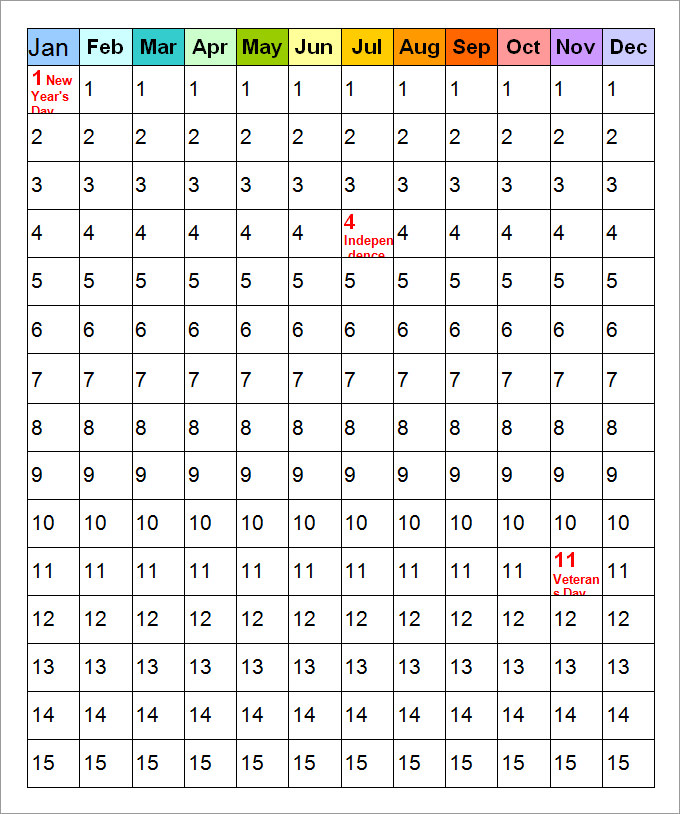
Perpetual Calendar Calendar Template
You can use it with. Furthermore, a #define 'd constant may be used in the preprocessor: The #define directive is a preprocessor directive; What is the point of #define in c++? In the normal c or c++ build process the first thing that happens is that.

Perpetual Calendar on Behance
#define simply substitutes a name with its value. 0 in c or c++ #define allows you to create preprocessor macros. I've only seen examples where it's used in place of a magic number but i don't see the point in just. #ifdef use_const #define myconst const #else #define myconst #endif then you can write code like this:. The #define directive.

Perpetual Calendar 17752025
The preprocessor replaces those macros by their body before the compiler even sees it. In the normal c or c++ build process the first thing that happens is that. Furthermore, a #define 'd constant may be used in the preprocessor: You can use it with. #define simply substitutes a name with its value.
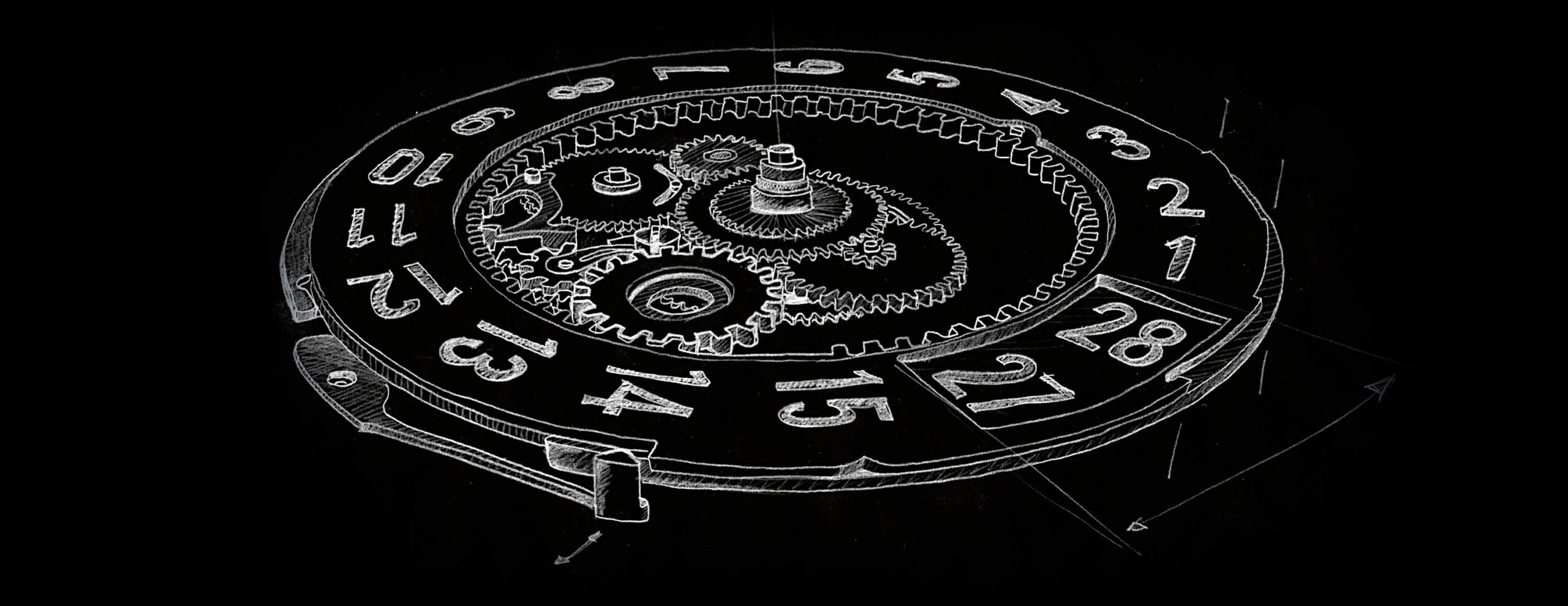
The Basics and Beyond Perpetual Calendar Revolution Watch
0 in c or c++ #define allows you to create preprocessor macros. The preprocessor replaces those macros by their body before the compiler even sees it. In the normal c or c++ build process the first thing that happens is that. #define simply substitutes a name with its value. Furthermore, a #define 'd constant may be used in the preprocessor:
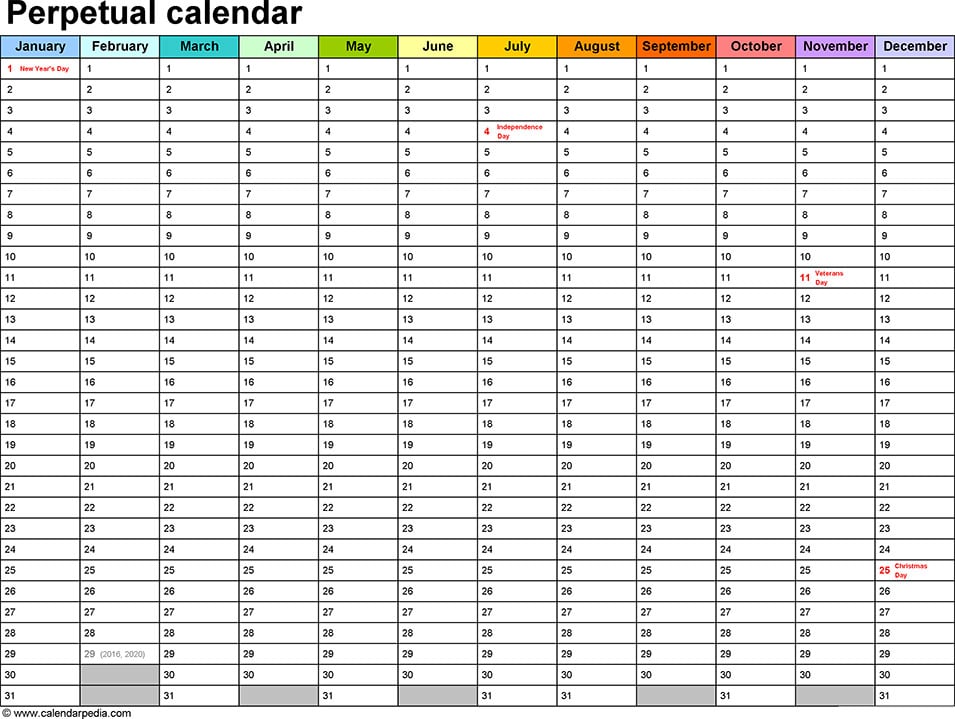
Perpetual Calendar Calendar Template
0 in c or c++ #define allows you to create preprocessor macros. Think of it as an. Just do something like this: #define simply substitutes a name with its value. In the normal c or c++ build process the first thing that happens is that.

Perpetual Calendar Free Download
In the normal c or c++ build process the first thing that happens is that. Furthermore, a #define 'd constant may be used in the preprocessor: #ifdef use_const #define myconst const #else #define myconst #endif then you can write code like this:. The preprocessor replaces those macros by their body before the compiler even sees it. The #define directive is.

Perpetual Calendar Amanda Creation
#define simply substitutes a name with its value. Furthermore, a #define 'd constant may be used in the preprocessor: 0 in c or c++ #define allows you to create preprocessor macros. In the normal c or c++ build process the first thing that happens is that. Think of it as an.
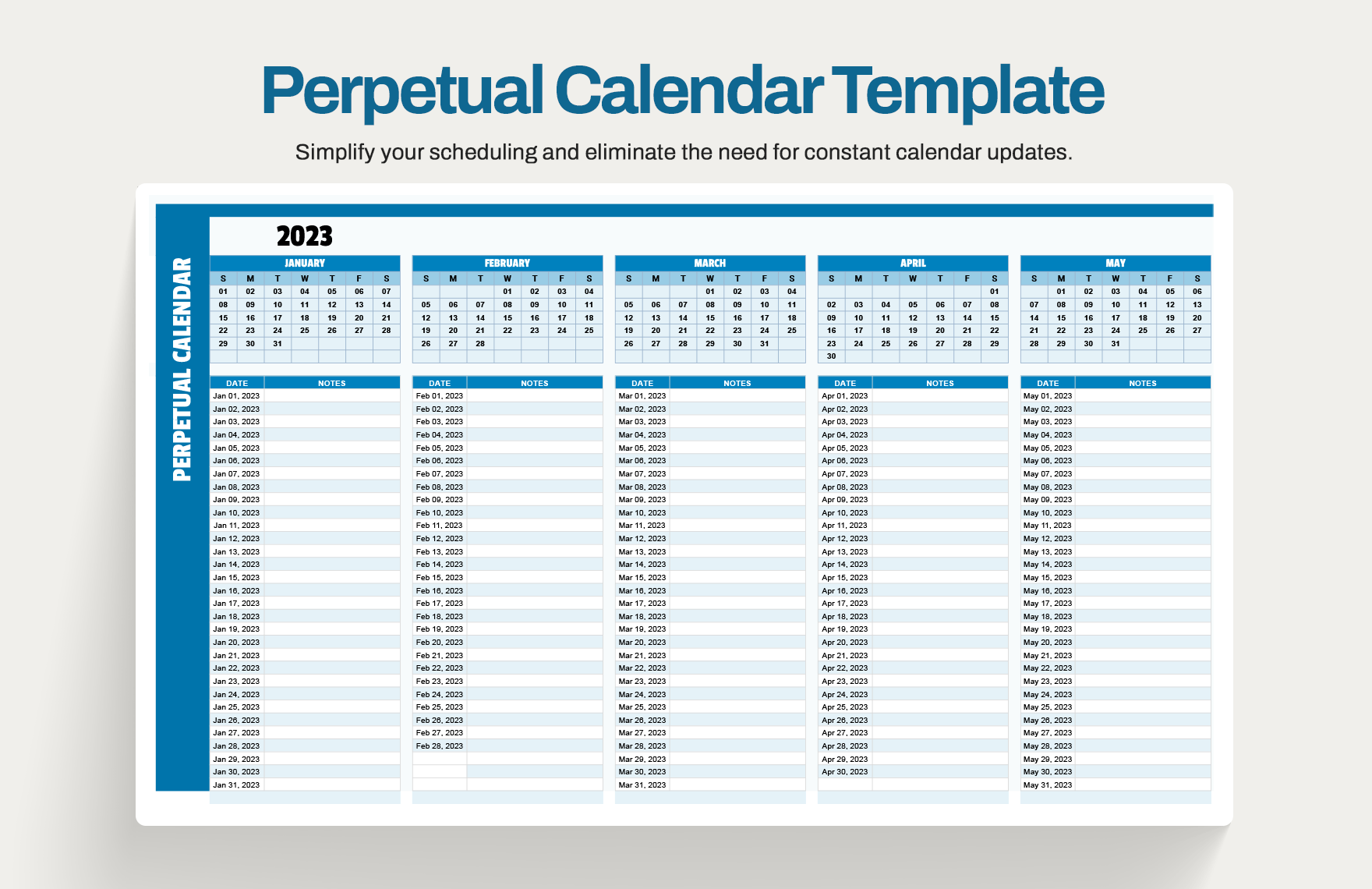
Perpetual Calendar Template in Excel, Google Sheets Download
Furthermore, a #define 'd constant may be used in the preprocessor: In the normal c or c++ build process the first thing that happens is that. What is the point of #define in c++? I've only seen examples where it's used in place of a magic number but i don't see the point in just. #ifdef use_const #define myconst const.

Perpetual Calendar Calendar Template
What is the point of #define in c++? #ifdef use_const #define myconst const #else #define myconst #endif then you can write code like this:. You can use it with. The #define directive is a preprocessor directive; 0 in c or c++ #define allows you to create preprocessor macros.
What Is The Point Of #Define In C++?
The #define directive is a preprocessor directive; #ifdef use_const #define myconst const #else #define myconst #endif then you can write code like this:. Think of it as an. In the normal c or c++ build process the first thing that happens is that.
Just Do Something Like This:
You can use it with. The preprocessor replaces those macros by their body before the compiler even sees it. 0 in c or c++ #define allows you to create preprocessor macros. #define simply substitutes a name with its value.
I've Only Seen Examples Where It's Used In Place Of A Magic Number But I Don't See The Point In Just.
Furthermore, a #define 'd constant may be used in the preprocessor: