Days To Form A Habit - There's also the perennial question of whether the last day ends on the multiple of 24 hours from the time when the deadline was given, if it means. It will be used in a tabular data program to show information about free work days of employed and each column can't have enought space to include. In australian english, in the upcoming days sounds strange. I would read the first as referring to a deadline, the second referring to a total accumulation of days spent. In the coming days is acceptable but probably too formal, i agree with. Are there other such words.
There's also the perennial question of whether the last day ends on the multiple of 24 hours from the time when the deadline was given, if it means. It will be used in a tabular data program to show information about free work days of employed and each column can't have enought space to include. I would read the first as referring to a deadline, the second referring to a total accumulation of days spent. In the coming days is acceptable but probably too formal, i agree with. In australian english, in the upcoming days sounds strange. Are there other such words.
In australian english, in the upcoming days sounds strange. It will be used in a tabular data program to show information about free work days of employed and each column can't have enought space to include. Are there other such words. I would read the first as referring to a deadline, the second referring to a total accumulation of days spent. There's also the perennial question of whether the last day ends on the multiple of 24 hours from the time when the deadline was given, if it means. In the coming days is acceptable but probably too formal, i agree with.

How Long Does it Take to Form a Habit? (21 or 66 Days?) Develop Good
There's also the perennial question of whether the last day ends on the multiple of 24 hours from the time when the deadline was given, if it means. It will be used in a tabular data program to show information about free work days of employed and each column can't have enought space to include. In the coming days is.

How many days to form a habit?
In the coming days is acceptable but probably too formal, i agree with. There's also the perennial question of whether the last day ends on the multiple of 24 hours from the time when the deadline was given, if it means. In australian english, in the upcoming days sounds strange. Are there other such words. I would read the first.
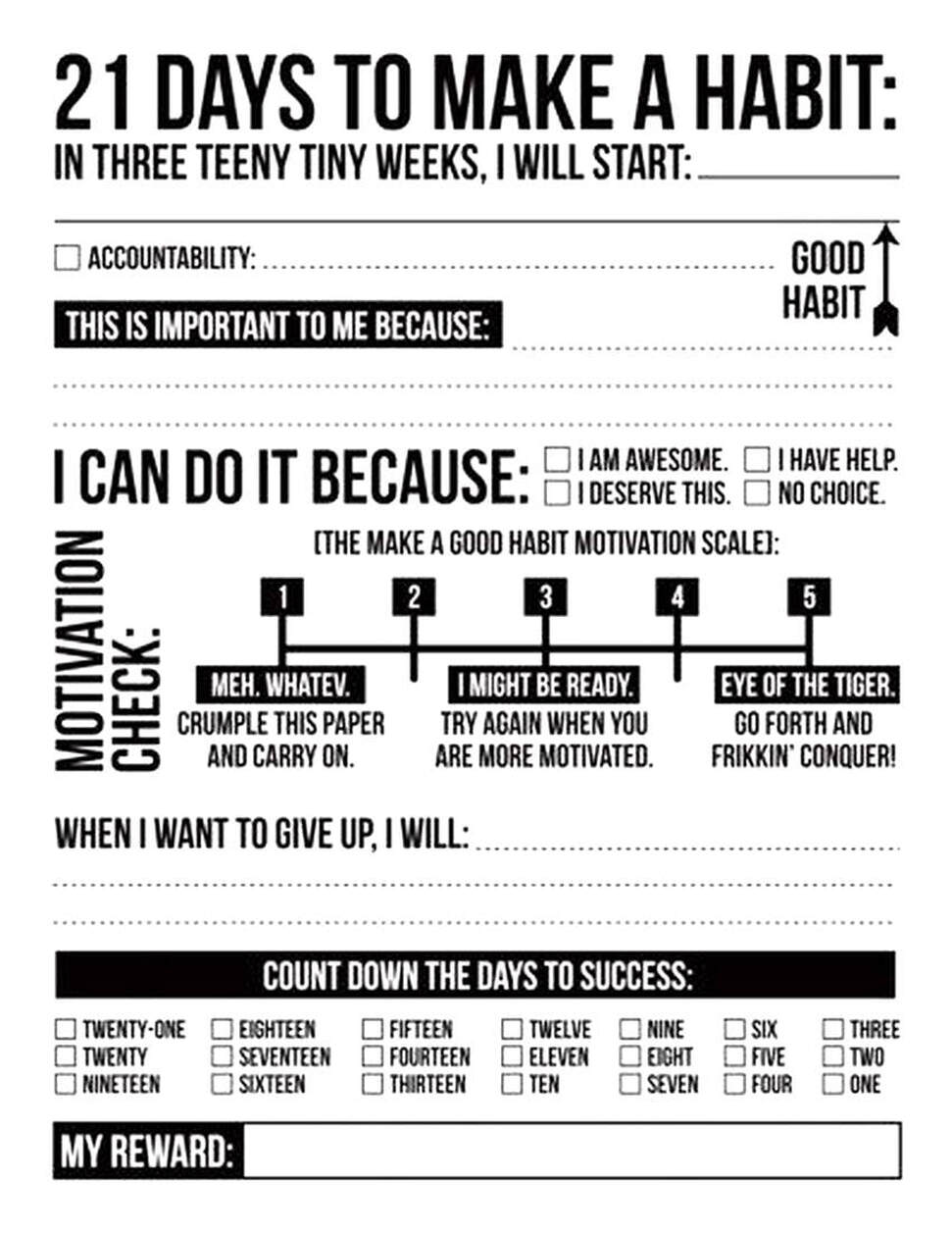
21 Days to Make a Habit DIALECTICAL BEHAVIORAL TRAINING
I would read the first as referring to a deadline, the second referring to a total accumulation of days spent. In australian english, in the upcoming days sounds strange. It will be used in a tabular data program to show information about free work days of employed and each column can't have enought space to include. Are there other such.
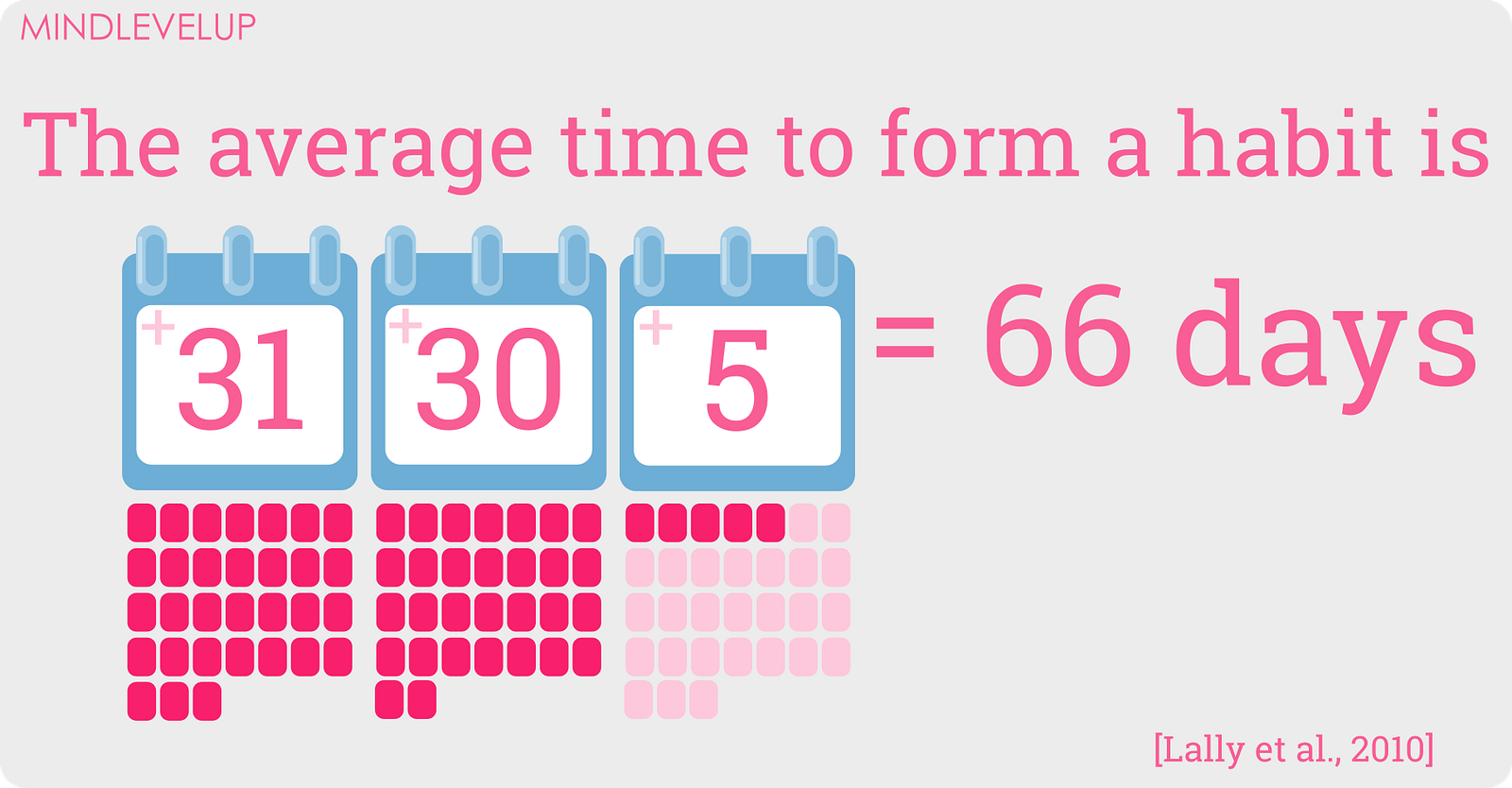
Habits 101 Techniques and Research mindlevelup Medium
Are there other such words. I would read the first as referring to a deadline, the second referring to a total accumulation of days spent. There's also the perennial question of whether the last day ends on the multiple of 24 hours from the time when the deadline was given, if it means. It will be used in a tabular.

How to Create a New Habit
There's also the perennial question of whether the last day ends on the multiple of 24 hours from the time when the deadline was given, if it means. I would read the first as referring to a deadline, the second referring to a total accumulation of days spent. In australian english, in the upcoming days sounds strange. Are there other.

How Long Does it Take to Form a Habit? 21 Days? 66 Days?
In australian english, in the upcoming days sounds strange. In the coming days is acceptable but probably too formal, i agree with. It will be used in a tabular data program to show information about free work days of employed and each column can't have enought space to include. I would read the first as referring to a deadline, the.

How Long Does it Take to Form a Habit? 21 Days? 66 Days?
There's also the perennial question of whether the last day ends on the multiple of 24 hours from the time when the deadline was given, if it means. Are there other such words. It will be used in a tabular data program to show information about free work days of employed and each column can't have enought space to include..

Mama Jenn Helping you homeschool with ease & creativity!
I would read the first as referring to a deadline, the second referring to a total accumulation of days spent. Are there other such words. In australian english, in the upcoming days sounds strange. There's also the perennial question of whether the last day ends on the multiple of 24 hours from the time when the deadline was given, if.
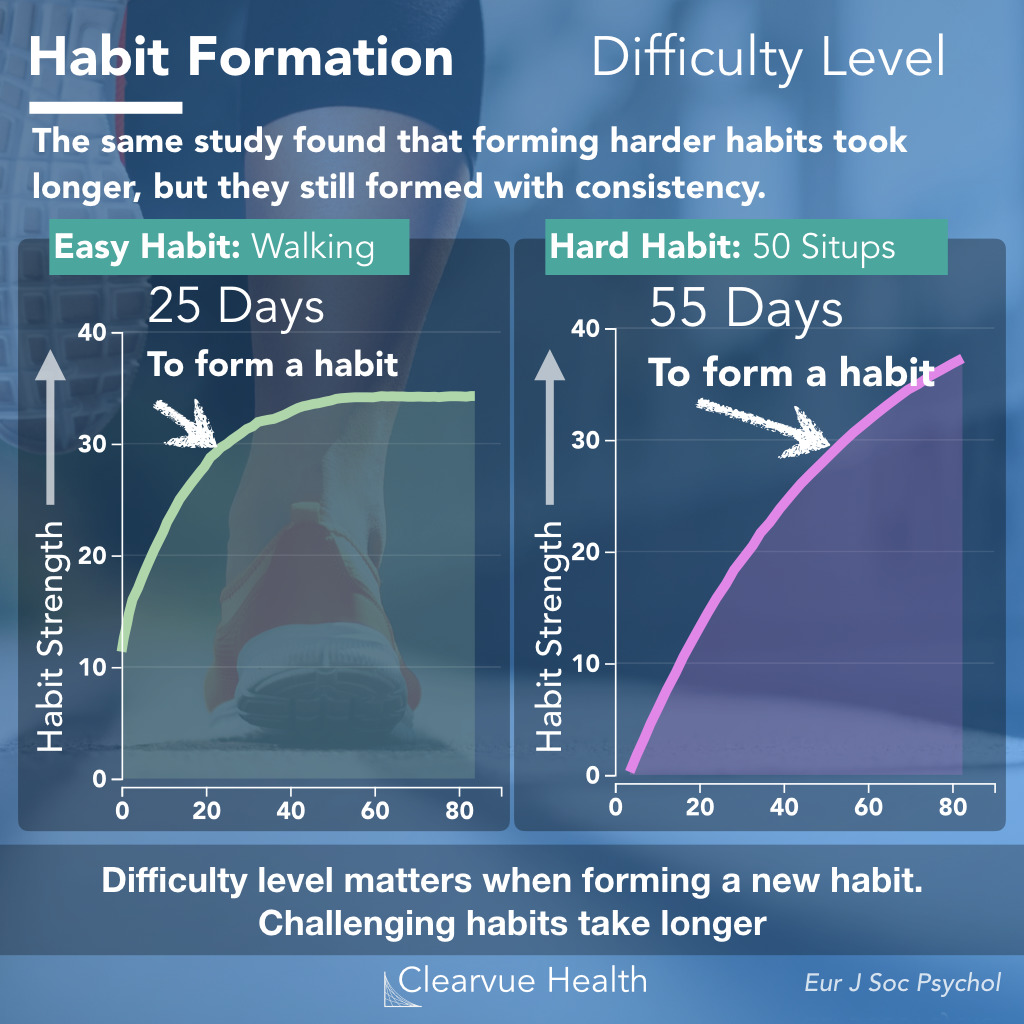
The Science of Habit Formation
I would read the first as referring to a deadline, the second referring to a total accumulation of days spent. In the coming days is acceptable but probably too formal, i agree with. There's also the perennial question of whether the last day ends on the multiple of 24 hours from the time when the deadline was given, if it.
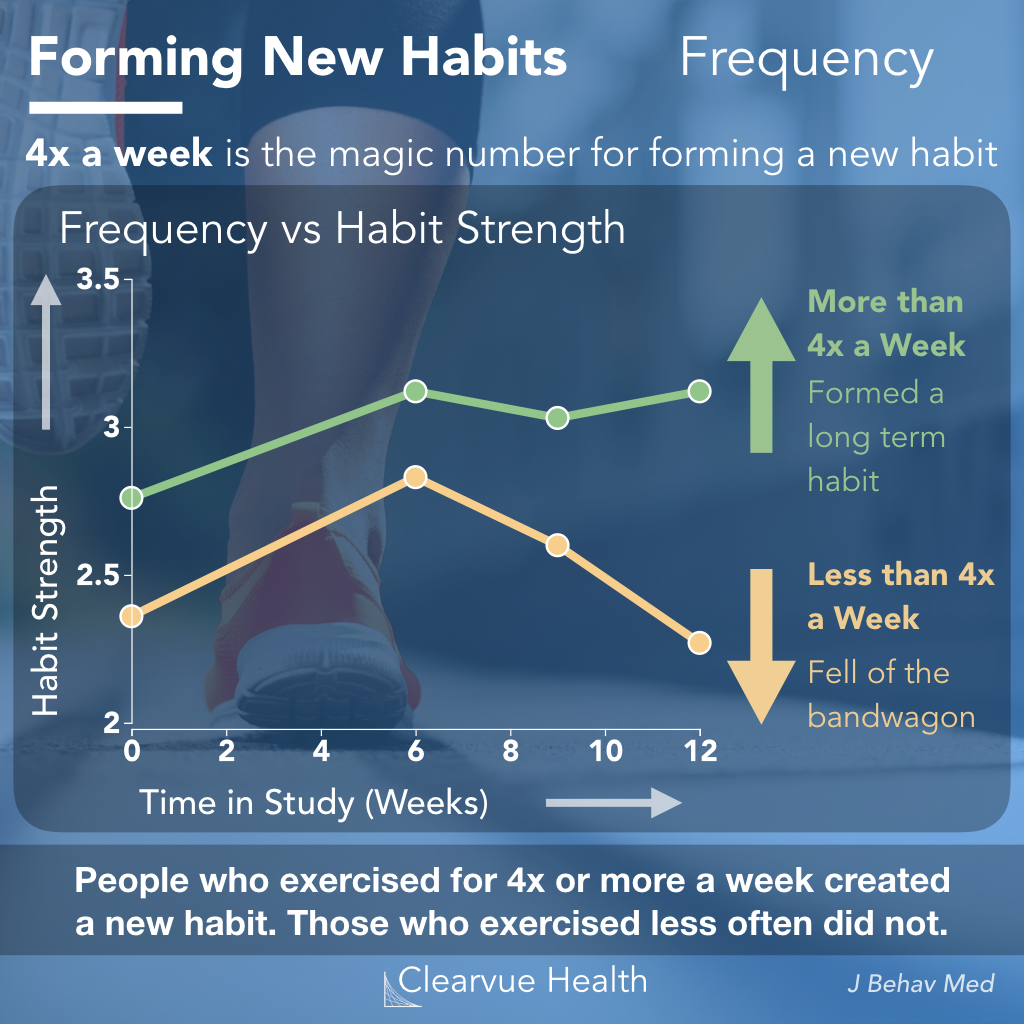
The Science of Habit Formation
There's also the perennial question of whether the last day ends on the multiple of 24 hours from the time when the deadline was given, if it means. In australian english, in the upcoming days sounds strange. I would read the first as referring to a deadline, the second referring to a total accumulation of days spent. Are there other.
Are There Other Such Words.
I would read the first as referring to a deadline, the second referring to a total accumulation of days spent. In the coming days is acceptable but probably too formal, i agree with. In australian english, in the upcoming days sounds strange. There's also the perennial question of whether the last day ends on the multiple of 24 hours from the time when the deadline was given, if it means.