Catch A Falling Star Sheet Music - If you return a normal value or a promise that eventually resolves from. The given example is rather simple, as it's only a guid, but imagine. Does using the 'catch, when' feature make exception handling faster because the handler is skipped as such and the stack unwinding can. I think that this only works if you raise and then catch the exception, but not if you try getting the traceback before raising an exception object that. Is there a way to catch both exceptions and only set webid = guid.empty once? } remember, though, that if all the exceptions belong to the same class hierarchy, you can simply catch that base. In the second scheme, if the promise p rejects, then the.catch() handler is called.
If you return a normal value or a promise that eventually resolves from. Does using the 'catch, when' feature make exception handling faster because the handler is skipped as such and the stack unwinding can. } remember, though, that if all the exceptions belong to the same class hierarchy, you can simply catch that base. I think that this only works if you raise and then catch the exception, but not if you try getting the traceback before raising an exception object that. In the second scheme, if the promise p rejects, then the.catch() handler is called. Is there a way to catch both exceptions and only set webid = guid.empty once? The given example is rather simple, as it's only a guid, but imagine.
The given example is rather simple, as it's only a guid, but imagine. Is there a way to catch both exceptions and only set webid = guid.empty once? Does using the 'catch, when' feature make exception handling faster because the handler is skipped as such and the stack unwinding can. I think that this only works if you raise and then catch the exception, but not if you try getting the traceback before raising an exception object that. } remember, though, that if all the exceptions belong to the same class hierarchy, you can simply catch that base. In the second scheme, if the promise p rejects, then the.catch() handler is called. If you return a normal value or a promise that eventually resolves from.
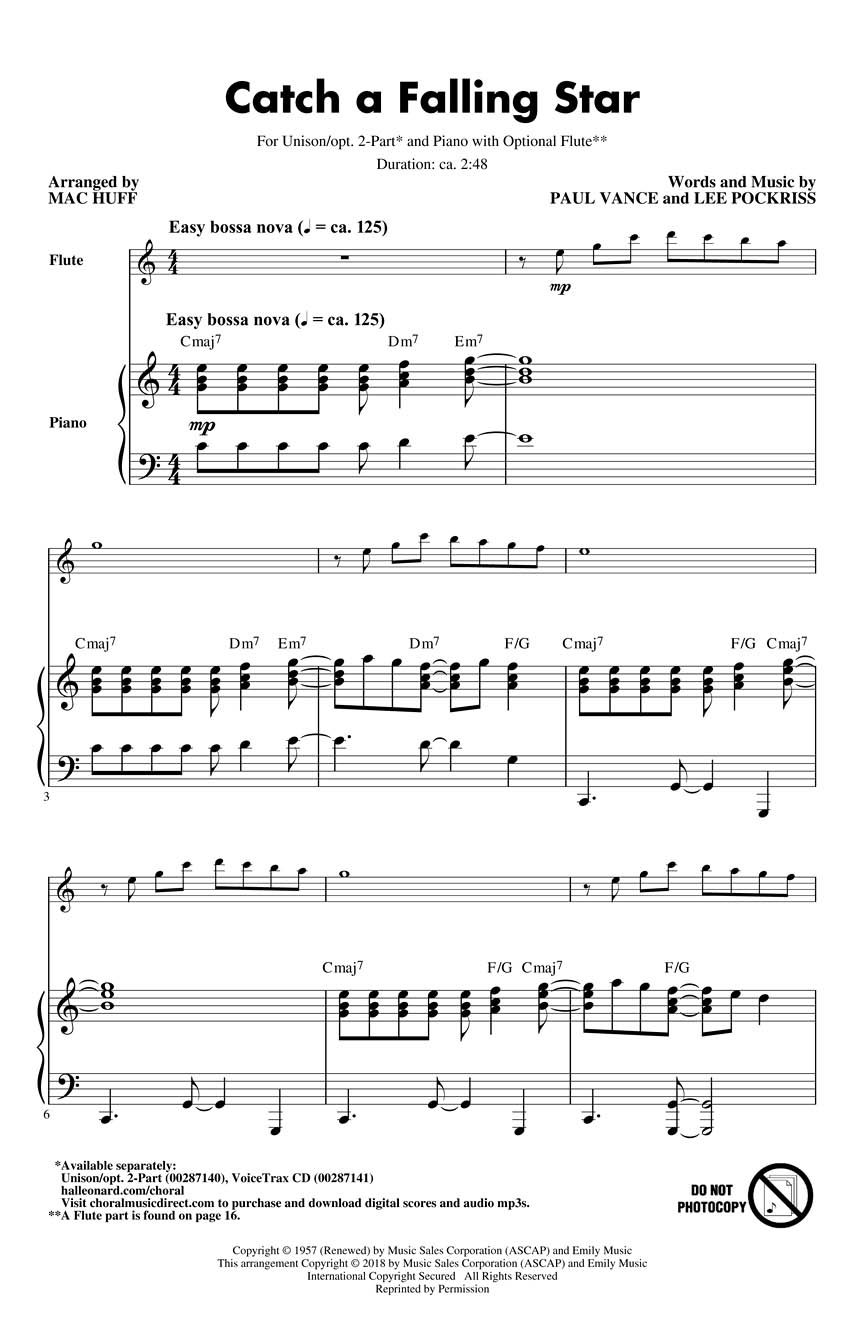
Catch A Falling Star Sheet Music by Mac Huff (SKU 00287140) Stanton
} remember, though, that if all the exceptions belong to the same class hierarchy, you can simply catch that base. If you return a normal value or a promise that eventually resolves from. Does using the 'catch, when' feature make exception handling faster because the handler is skipped as such and the stack unwinding can. In the second scheme, if.

Catch A Falling Star Sheet Music Direct
Is there a way to catch both exceptions and only set webid = guid.empty once? } remember, though, that if all the exceptions belong to the same class hierarchy, you can simply catch that base. If you return a normal value or a promise that eventually resolves from. Does using the 'catch, when' feature make exception handling faster because the.

Catch A Falling Star Sheet music for Piano, Flute, in bflat
Is there a way to catch both exceptions and only set webid = guid.empty once? Does using the 'catch, when' feature make exception handling faster because the handler is skipped as such and the stack unwinding can. I think that this only works if you raise and then catch the exception, but not if you try getting the traceback before.
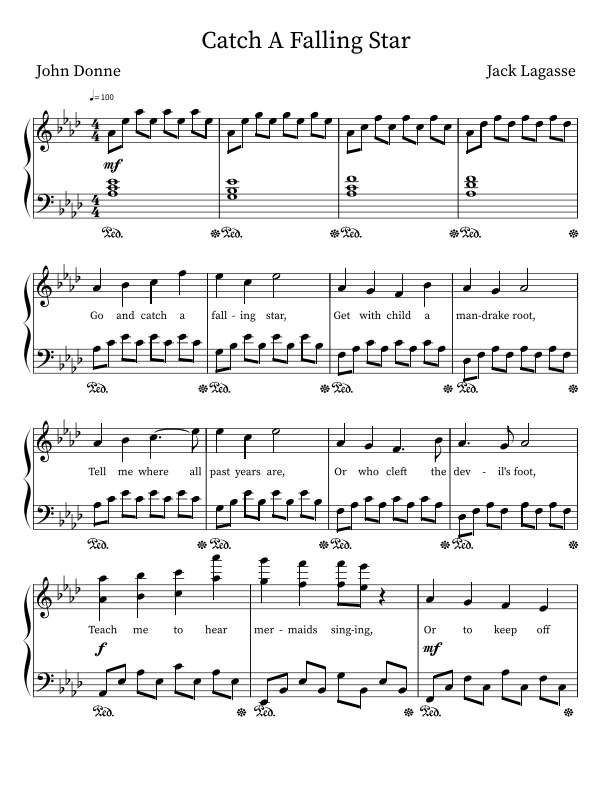
Catch a Falling Star by John Donne Sheet Music for Easy Piano at Sheet
} remember, though, that if all the exceptions belong to the same class hierarchy, you can simply catch that base. The given example is rather simple, as it's only a guid, but imagine. Is there a way to catch both exceptions and only set webid = guid.empty once? Does using the 'catch, when' feature make exception handling faster because the.

Catch A Falling Star Duo Sheet music for Violin (String Duet
In the second scheme, if the promise p rejects, then the.catch() handler is called. Does using the 'catch, when' feature make exception handling faster because the handler is skipped as such and the stack unwinding can. } remember, though, that if all the exceptions belong to the same class hierarchy, you can simply catch that base. The given example is.
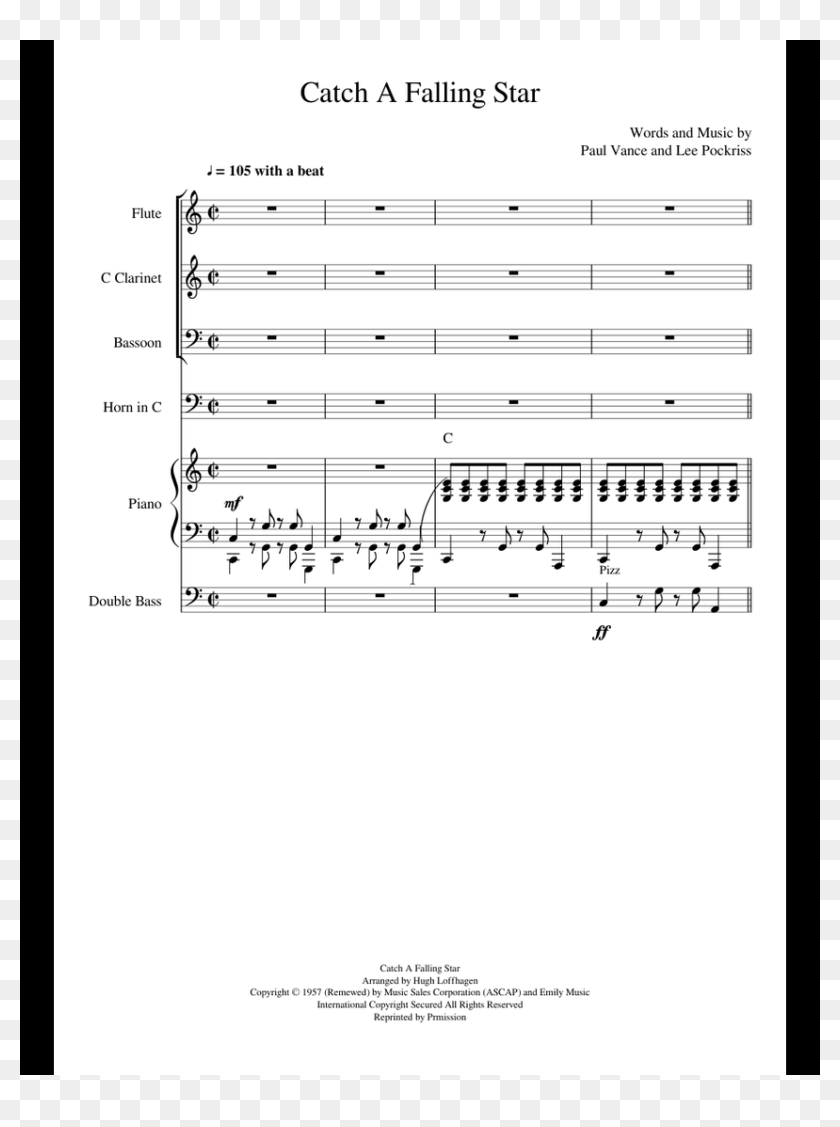
Catch A Falling Star Sheet Music For Flute, Sheet Music, HD
I think that this only works if you raise and then catch the exception, but not if you try getting the traceback before raising an exception object that. Does using the 'catch, when' feature make exception handling faster because the handler is skipped as such and the stack unwinding can. The given example is rather simple, as it's only a.

Catch A Falling Star Sheet Music Direct
In the second scheme, if the promise p rejects, then the.catch() handler is called. Does using the 'catch, when' feature make exception handling faster because the handler is skipped as such and the stack unwinding can. The given example is rather simple, as it's only a guid, but imagine. Is there a way to catch both exceptions and only set.

Catch A Falling Star Sheet Music by Mac Huff (SKU 00287140) Stanton
Does using the 'catch, when' feature make exception handling faster because the handler is skipped as such and the stack unwinding can. In the second scheme, if the promise p rejects, then the.catch() handler is called. If you return a normal value or a promise that eventually resolves from. Is there a way to catch both exceptions and only set.

Catch A Falling Star by Perry Como Sheet Music for Super Easy Piano at
In the second scheme, if the promise p rejects, then the.catch() handler is called. Is there a way to catch both exceptions and only set webid = guid.empty once? Does using the 'catch, when' feature make exception handling faster because the handler is skipped as such and the stack unwinding can. } remember, though, that if all the exceptions belong.

Perry Como 'Catch A Falling Star' Sheet Music and Printable PDF Music
Does using the 'catch, when' feature make exception handling faster because the handler is skipped as such and the stack unwinding can. The given example is rather simple, as it's only a guid, but imagine. } remember, though, that if all the exceptions belong to the same class hierarchy, you can simply catch that base. If you return a normal.
If You Return A Normal Value Or A Promise That Eventually Resolves From.
The given example is rather simple, as it's only a guid, but imagine. Does using the 'catch, when' feature make exception handling faster because the handler is skipped as such and the stack unwinding can. } remember, though, that if all the exceptions belong to the same class hierarchy, you can simply catch that base. In the second scheme, if the promise p rejects, then the.catch() handler is called.
I Think That This Only Works If You Raise And Then Catch The Exception, But Not If You Try Getting The Traceback Before Raising An Exception Object That.
Is there a way to catch both exceptions and only set webid = guid.empty once?