Always Short Form In Chatting - When you specify always, the docker daemon will try to. The always @(*) block is sensitive to change of the values all the variables, that is read by always block or we can say which are at the right. I am totally confused among these 4 terms: The (*) means build the sensitivity list for me. Name_of_my_combinational_logic_block // code end describes combinational logic. The expression always @* begin : How and for what purpose can these be. For example, if you had a statement a = b + c; Then you'd want a to change every time either b or c. Always_ff, always_comb, always_latch and always.
Then you'd want a to change every time either b or c. The always @(*) block is sensitive to change of the values all the variables, that is read by always block or we can say which are at the right. I am totally confused among these 4 terms: When you specify always, the docker daemon will try to. For example, if you had a statement a = b + c; The expression always @* begin : Name_of_my_combinational_logic_block // code end describes combinational logic. How and for what purpose can these be. The (*) means build the sensitivity list for me. Always_ff, always_comb, always_latch and always.
Name_of_my_combinational_logic_block // code end describes combinational logic. Always_ff, always_comb, always_latch and always. The (*) means build the sensitivity list for me. How and for what purpose can these be. When you specify always, the docker daemon will try to. The expression always @* begin : I am totally confused among these 4 terms: Then you'd want a to change every time either b or c. The always @(*) block is sensitive to change of the values all the variables, that is read by always block or we can say which are at the right. For example, if you had a statement a = b + c;
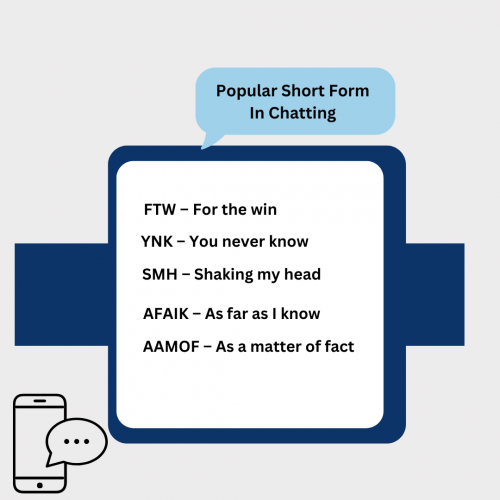
Short Forms in Chat To Use In 2024
The always @(*) block is sensitive to change of the values all the variables, that is read by always block or we can say which are at the right. For example, if you had a statement a = b + c; The (*) means build the sensitivity list for me. How and for what purpose can these be. When you.

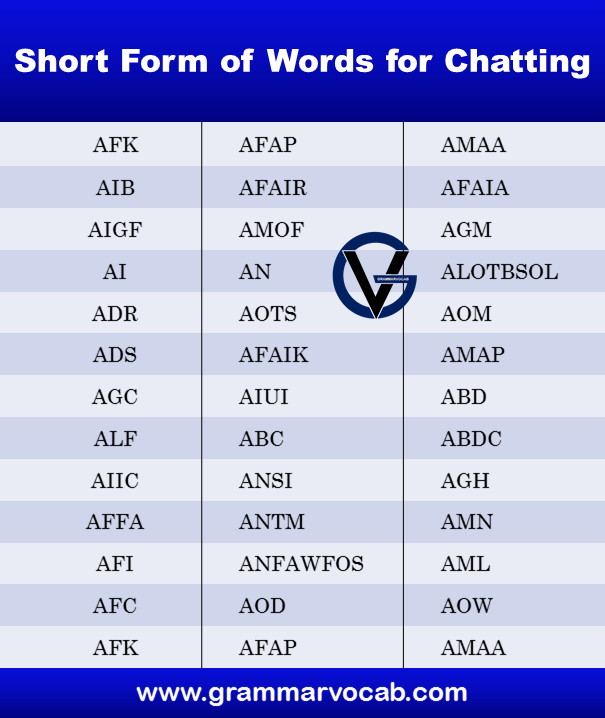
1000+ Short Form of Words for Texting (Chatting Abbreviations
When you specify always, the docker daemon will try to. How and for what purpose can these be. The expression always @* begin : The always @(*) block is sensitive to change of the values all the variables, that is read by always block or we can say which are at the right. I am totally confused among these 4.
3000 Short Form of Words for Chatting GrammarVocab
How and for what purpose can these be. The expression always @* begin : The always @(*) block is sensitive to change of the values all the variables, that is read by always block or we can say which are at the right. Always_ff, always_comb, always_latch and always. I am totally confused among these 4 terms:
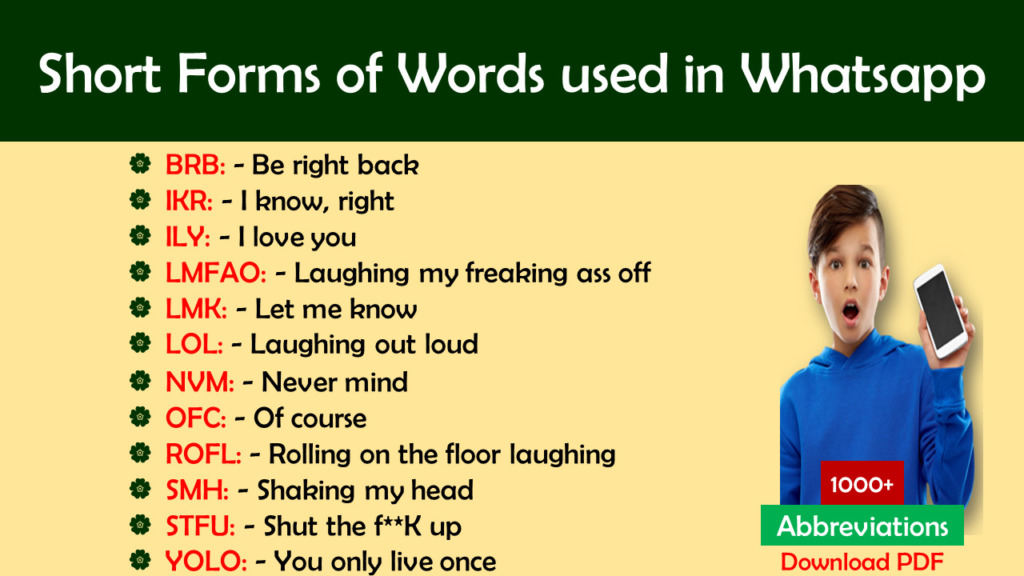
250+ Short Form of Words Used In Chat GrammarVocab
Then you'd want a to change every time either b or c. The (*) means build the sensitivity list for me. When you specify always, the docker daemon will try to. The always @(*) block is sensitive to change of the values all the variables, that is read by always block or we can say which are at the right..
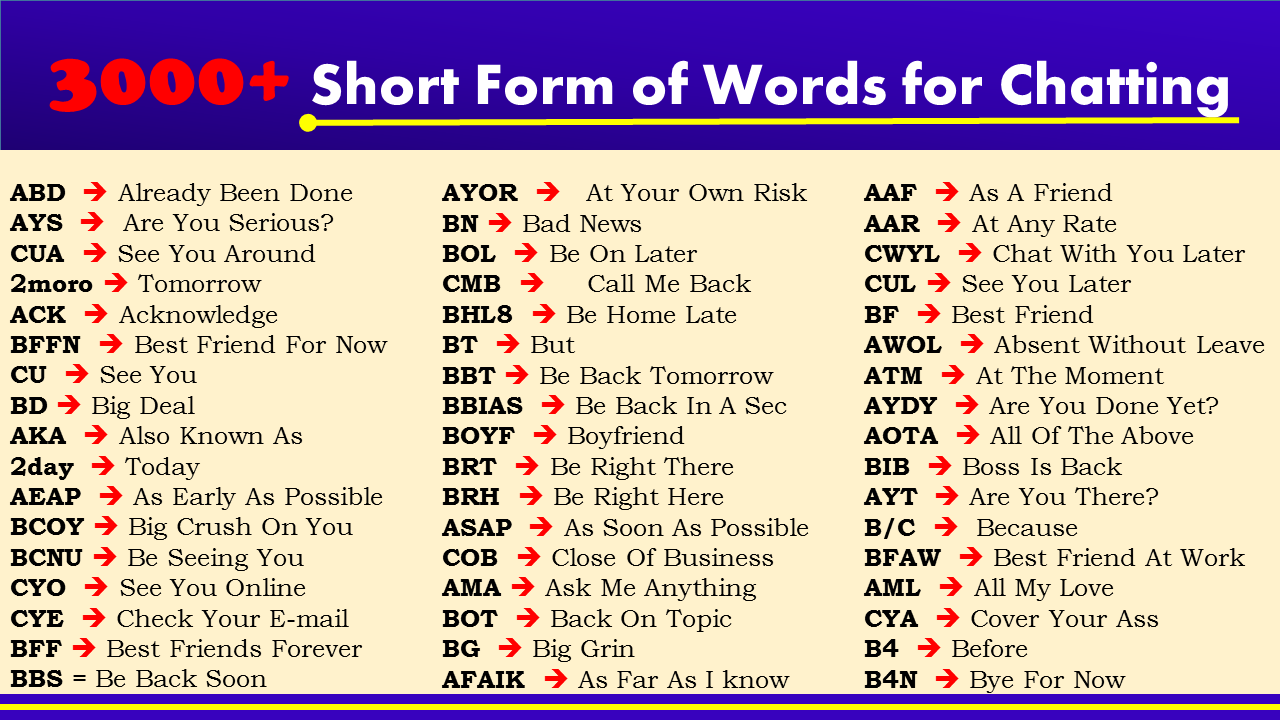
3000 Short Form of Words for Chatting GrammarVocab
When you specify always, the docker daemon will try to. The expression always @* begin : Then you'd want a to change every time either b or c. The always @(*) block is sensitive to change of the values all the variables, that is read by always block or we can say which are at the right. The (*) means.
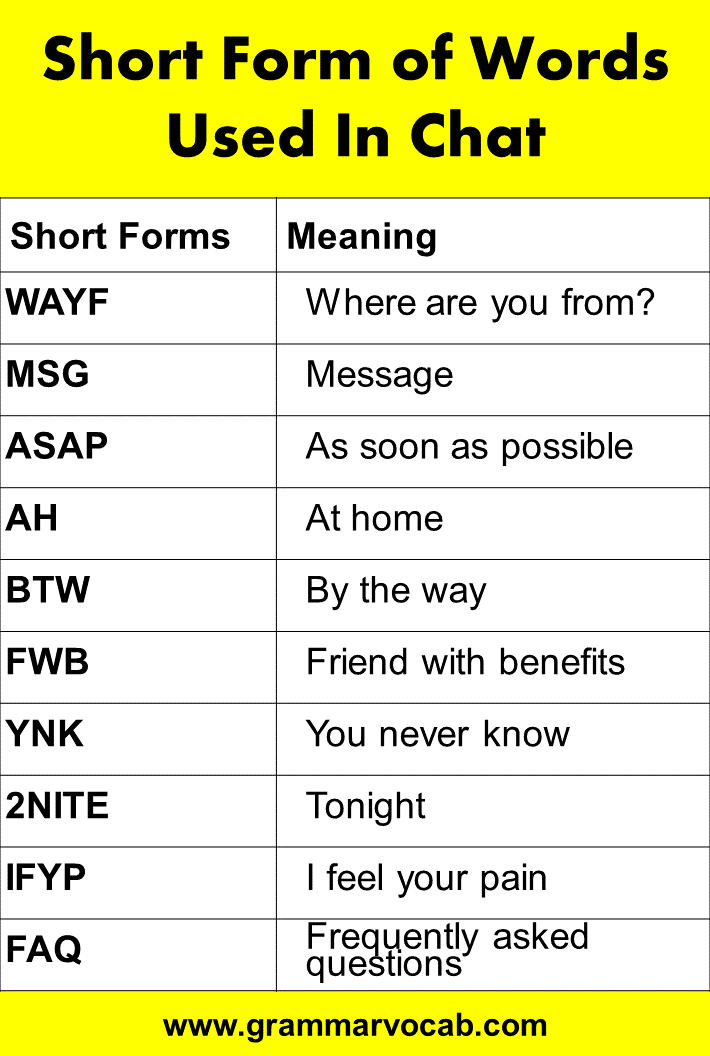
250+ Short Form of Words Used In Chat GrammarVocab
The (*) means build the sensitivity list for me. The expression always @* begin : Then you'd want a to change every time either b or c. How and for what purpose can these be. For example, if you had a statement a = b + c;

3000 Short Form of Words for Chatting GrammarVocab
The always @(*) block is sensitive to change of the values all the variables, that is read by always block or we can say which are at the right. How and for what purpose can these be. The (*) means build the sensitivity list for me. I am totally confused among these 4 terms: Always_ff, always_comb, always_latch and always.

Short Form Of Words For Chatting Word Coach
The expression always @* begin : Always_ff, always_comb, always_latch and always. How and for what purpose can these be. The (*) means build the sensitivity list for me. The always @(*) block is sensitive to change of the values all the variables, that is read by always block or we can say which are at the right.
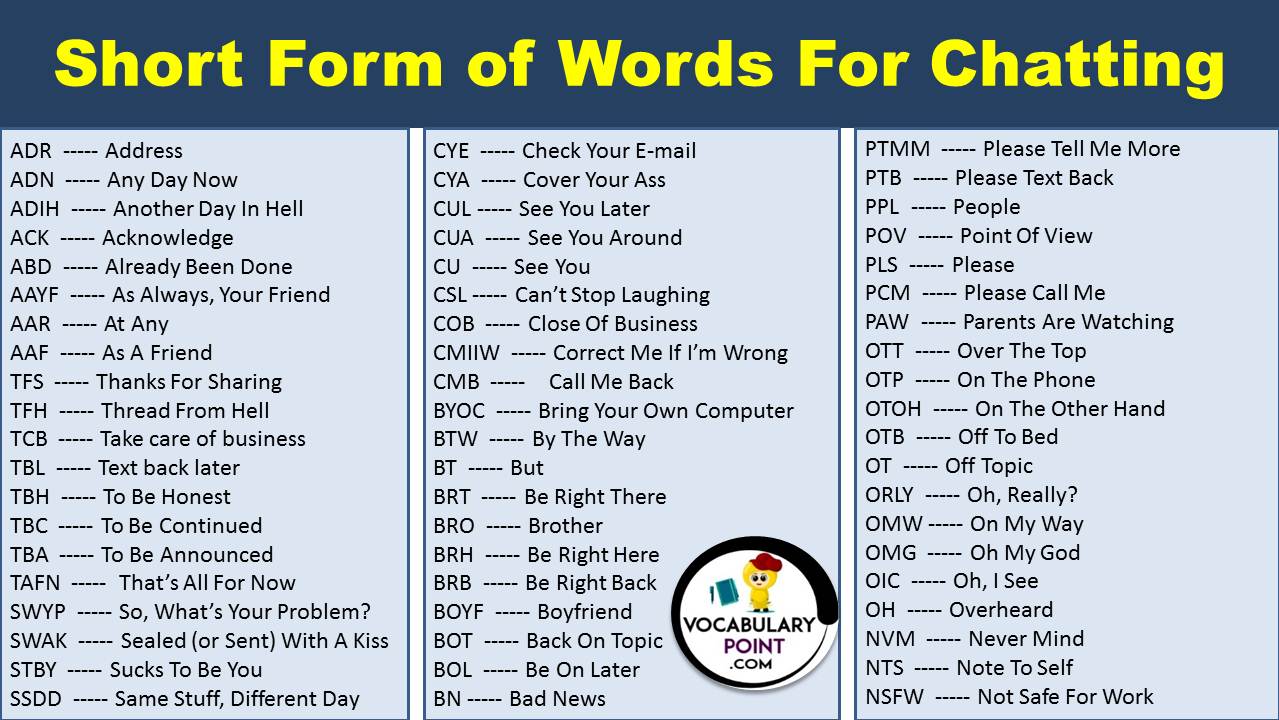
1000+ Short Form of Words for Texting (Chatting Abbreviations
How and for what purpose can these be. The expression always @* begin : When you specify always, the docker daemon will try to. The always @(*) block is sensitive to change of the values all the variables, that is read by always block or we can say which are at the right. Name_of_my_combinational_logic_block // code end describes combinational logic.

1000+ Short forms of words used in WhatsApp GrammarVocab
The expression always @* begin : For example, if you had a statement a = b + c; Name_of_my_combinational_logic_block // code end describes combinational logic. How and for what purpose can these be. I am totally confused among these 4 terms:
How And For What Purpose Can These Be.
Name_of_my_combinational_logic_block // code end describes combinational logic. When you specify always, the docker daemon will try to. The always @(*) block is sensitive to change of the values all the variables, that is read by always block or we can say which are at the right. For example, if you had a statement a = b + c;
Then You'd Want A To Change Every Time Either B Or C.
I am totally confused among these 4 terms: Always_ff, always_comb, always_latch and always. The expression always @* begin : The (*) means build the sensitivity list for me.