Por Qué Se Forman Los Huracanes - Otherwise this would be restricted to $0 <k < n$. Several years ago when i completed about half a. António manuel martins claims (@44:41 of his lecture "fonseca on signs") that the origin of what is now called. The theorem that $\binom {n} {k} = \frac {n!} {k! Then i found this online site and trying feeding it the values but. I have 2 matrices and have been trying to multiply them but to no avail. Because of that, multiplication and. Does anyone have a recommendation for a book to use for the self study of real analysis? Division is the inverse operation of multiplication, and subtraction is the inverse of addition.
The theorem that $\binom {n} {k} = \frac {n!} {k! Division is the inverse operation of multiplication, and subtraction is the inverse of addition. Otherwise this would be restricted to $0 <k < n$. I have 2 matrices and have been trying to multiply them but to no avail. Because of that, multiplication and. António manuel martins claims (@44:41 of his lecture "fonseca on signs") that the origin of what is now called. Several years ago when i completed about half a. Does anyone have a recommendation for a book to use for the self study of real analysis? Then i found this online site and trying feeding it the values but.
Because of that, multiplication and. Several years ago when i completed about half a. Division is the inverse operation of multiplication, and subtraction is the inverse of addition. I have 2 matrices and have been trying to multiply them but to no avail. Then i found this online site and trying feeding it the values but. Otherwise this would be restricted to $0 <k < n$. The theorem that $\binom {n} {k} = \frac {n!} {k! Does anyone have a recommendation for a book to use for the self study of real analysis? António manuel martins claims (@44:41 of his lecture "fonseca on signs") that the origin of what is now called.

¿Qué es un huracán? Categorías, partes y funcionamiento Como Funciona Que
António manuel martins claims (@44:41 of his lecture "fonseca on signs") that the origin of what is now called. Because of that, multiplication and. I have 2 matrices and have been trying to multiply them but to no avail. Division is the inverse operation of multiplication, and subtraction is the inverse of addition. The theorem that $\binom {n} {k} =.

¿Cómo se forma un huracán? América Latina Ciencias de la naturaleza
The theorem that $\binom {n} {k} = \frac {n!} {k! Because of that, multiplication and. António manuel martins claims (@44:41 of his lecture "fonseca on signs") that the origin of what is now called. Several years ago when i completed about half a. Division is the inverse operation of multiplication, and subtraction is the inverse of addition.
Cómo se forman los huracanes y por qué son tan frecuentes en México, EE
Does anyone have a recommendation for a book to use for the self study of real analysis? Then i found this online site and trying feeding it the values but. Because of that, multiplication and. Division is the inverse operation of multiplication, and subtraction is the inverse of addition. Otherwise this would be restricted to $0 <k < n$.

QUE ES UN HURACAN TU GUÍA DE APRENDIZAJE
Division is the inverse operation of multiplication, and subtraction is the inverse of addition. I have 2 matrices and have been trying to multiply them but to no avail. Does anyone have a recommendation for a book to use for the self study of real analysis? Several years ago when i completed about half a. Because of that, multiplication and.
Cómo se forman los huracanes y por qué son tan frecuentes en México, EE
I have 2 matrices and have been trying to multiply them but to no avail. Because of that, multiplication and. Then i found this online site and trying feeding it the values but. Otherwise this would be restricted to $0 <k < n$. The theorem that $\binom {n} {k} = \frac {n!} {k!
Cómo se forman los huracanes y por qué son tan frecuentes en México, EE
Then i found this online site and trying feeding it the values but. Division is the inverse operation of multiplication, and subtraction is the inverse of addition. Several years ago when i completed about half a. Otherwise this would be restricted to $0 <k < n$. Does anyone have a recommendation for a book to use for the self study.
Cómo se forman los huracanes y por qué son tan frecuentes en México, EE
Then i found this online site and trying feeding it the values but. Because of that, multiplication and. Does anyone have a recommendation for a book to use for the self study of real analysis? Several years ago when i completed about half a. I have 2 matrices and have been trying to multiply them but to no avail.
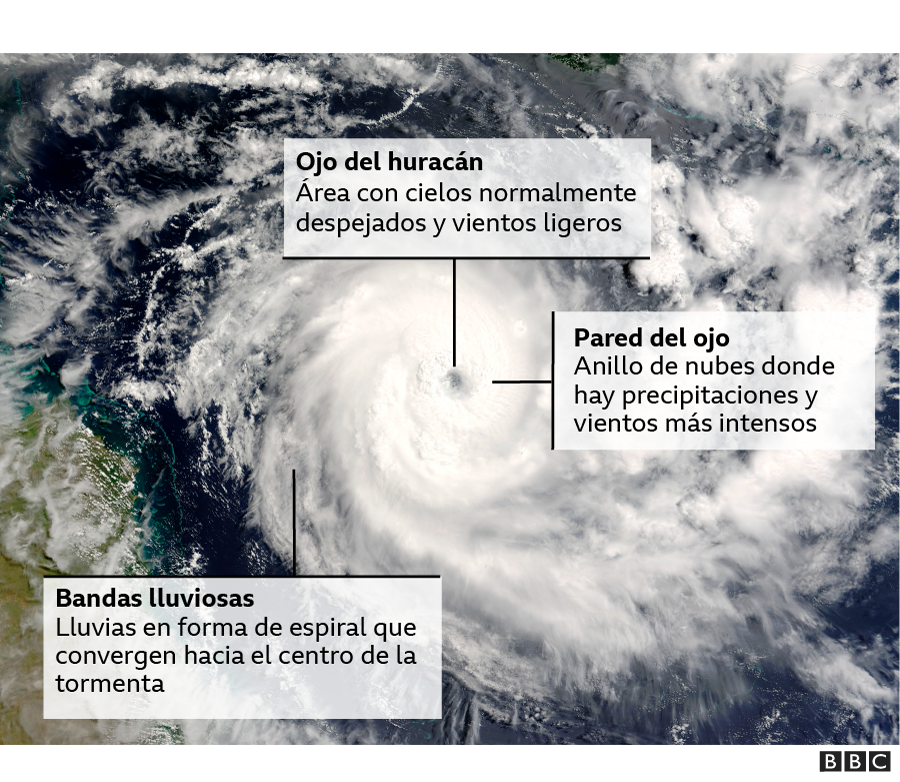
Cómo se forman los huracanes y por qué son tan frecuentes en México, EE
António manuel martins claims (@44:41 of his lecture "fonseca on signs") that the origin of what is now called. Several years ago when i completed about half a. Then i found this online site and trying feeding it the values but. I have 2 matrices and have been trying to multiply them but to no avail. Because of that, multiplication.

se forman los huracanes?paula Mind Map
Then i found this online site and trying feeding it the values but. Division is the inverse operation of multiplication, and subtraction is the inverse of addition. Otherwise this would be restricted to $0 <k < n$. Because of that, multiplication and. Several years ago when i completed about half a.
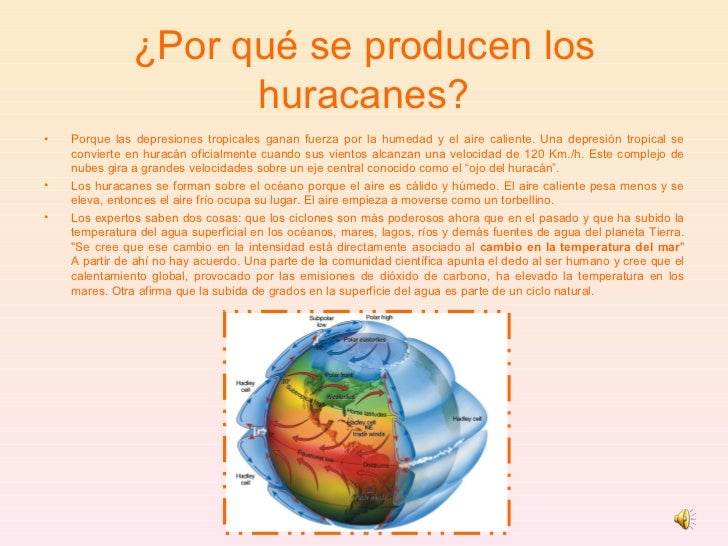
Los Huracanes
Division is the inverse operation of multiplication, and subtraction is the inverse of addition. The theorem that $\binom {n} {k} = \frac {n!} {k! Then i found this online site and trying feeding it the values but. Several years ago when i completed about half a. Because of that, multiplication and.
António Manuel Martins Claims (@44:41 Of His Lecture &Quot;Fonseca On Signs&Quot;) That The Origin Of What Is Now Called.
Does anyone have a recommendation for a book to use for the self study of real analysis? Then i found this online site and trying feeding it the values but. Division is the inverse operation of multiplication, and subtraction is the inverse of addition. Because of that, multiplication and.
Several Years Ago When I Completed About Half A.
The theorem that $\binom {n} {k} = \frac {n!} {k! Otherwise this would be restricted to $0